Air Freight

Cargo integrity inspection with high-security bolt seals on a shipping container
Air Freight

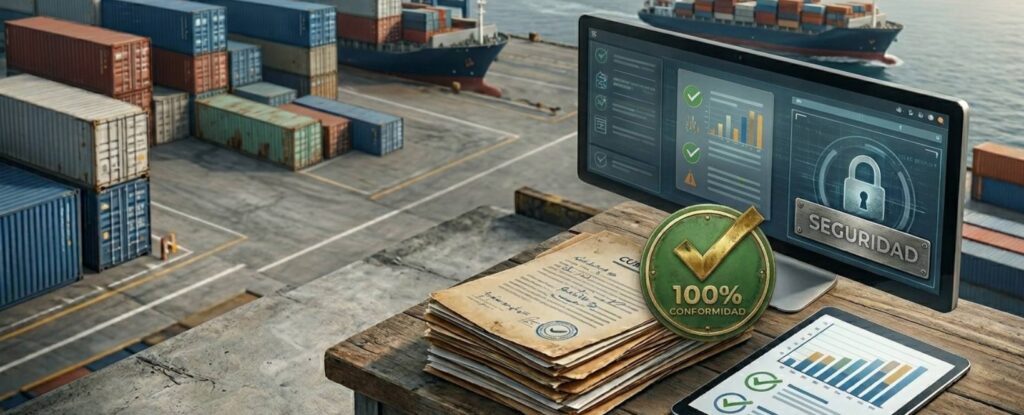
What is Cargo Integrity? 5 Strategies to Protect Your Global Shipments

In the complex web of global logistics, where goods traverse oceans, continents, and countless hands, one concept stands paramount: Cargo Integrity. It’s more than just an industry buzzword; it’s the fundamental assurance that goods arrive at their destination exactly as they were intended to be shipped – secure, undamaged, uncontaminated, and complete. Protecting your global shipments against myriad threats is not just a best practice; it’s a critical imperative for businesses operating in today’s interconnected world. What is Cargo Integrity? Cargo integrity refers to the state where a shipment remains entirely intact, secure, and free from damage, loss, contamination, or unauthorized alteration from the point of origin to its final destination. It encompasses the physical condition of the goods, their quantity, quality, and the security of their packaging and seals. Essentially, it means that what was sent is what is received, without compromise. Upholding cargo integrity is vital because disruptions can lead to significant financial losses, damage to reputation, legal liabilities, and even safety concerns, especially for sensitive or high-value goods like pharmaceuticals, electronics, or perishables. Why is Cargo Integrity Crucial for Global Shipments? The implications of compromised cargo integrity ripple throughout the entire supply chain: Financial Losses: Directly from stolen goods, product damage, spoilage, and the costs associated with claims, re-shipments, and investigations. Reputation Damage: Delivery of damaged or incomplete orders erodes customer trust and tarnishes a company’s brand image. Supply Chain Disruptions: Delays caused by integrity breaches can impact production schedules, stock levels, and downstream operations. Safety and Security Risks: Tampered cargo, especially dangerous goods or food items, can pose serious health and safety hazards. Regulatory Non-Compliance: Failure to maintain cargo integrity can lead to penalties and legal issues, particularly in regulated industries. The Pervasive Threat to Cargo Integrity Common Challenges Facing Cargo Integrity Global shipments face a relentless barrage of threats that can undermine integrity: Theft and Pilferage: Organized crime often targets vulnerable cargo during transit or at storage points. Physical Damage: Poor handling, inadequate packaging, vibrations, or impacts during transportation. Environmental Factors: Fluctuations in temperature, humidity, light exposure, or pest infestation can degrade certain goods. Contamination: Exposure to foreign substances, chemicals, or unhygienic conditions. Fraud and Counterfeiting: Introduction of fake goods into legitimate supply chains. Human Error: Incorrect labeling, improper loading, or administrative mistakes. 5 Strategies to Protect Your Global Shipments and Uphold Cargo Integrity Proactive measures are essential to mitigate risks and ensure cargo integrity. Here are five robust strategies: 1. Robust Packaging and Load Securement The first line of defense is the physical protection of the goods themselves. Investing in appropriate packaging and secure loading techniques is paramount. Optimized Packaging: Use materials suitable for the product’s fragility, value, and environmental sensitivities. This includes custom crating, shock-absorbent cushioning, and moisture barriers. Load Bracing and Dunnage: Properly secure cargo within containers or trailers to prevent shifting, tipping, or crushing during transit. Inflatable dunnage bags, wooden bracing, and cargo nets are effective tools. Tamper-Evident Seals: Utilize high-security seals (e.g., bolt seals, cable seals) that are difficult to remove without leaving clear evidence of tampering. Each seal should have a unique, traceable identification number. Unitization: Consolidate smaller packages onto pallets and shrink-wrap or strap them together to create a single, more secure unit. 2. Advanced Tracking and Monitoring Systems Visibility and real-time data are critical for identifying and responding to potential threats as they occur. GPS Tracking: Implement GPS devices on containers, trailers, or even individual high-value pallets to monitor their exact location at all times. IoT Sensors: Deploy sensors to monitor critical environmental conditions such as temperature, humidity, light exposure, and shock/vibration. This is crucial for sensitive goods like pharmaceuticals, food, and electronics. Real-time Alerts: Configure systems to send immediate notifications for deviations from planned routes, unexpected stops, container door breaches, or environmental parameter excursions. Cloud-Based Platforms: Utilize platforms that aggregate data from all tracking devices, providing a centralized dashboard for comprehensive oversight. 3. Comprehensive Security Protocols Beyond physical packaging, a layered approach to security at all touchpoints significantly reduces risks. Access Control: Strict control over who can access cargo at warehouses, ports, and loading docks. This includes biometric scanners, RFID cards, and visitor logs. CCTV Surveillance: Install and actively monitor high-resolution cameras in storage facilities, loading zones, and critical transit points. Vetted Personnel: Conduct thorough background checks for all personnel involved in handling cargo, from warehouse staff to drivers. Security Escorts: For extremely high-value or high-risk shipments, consider employing armed or unarmed security escorts. Secure Parking: Mandate the use of secure, well-lit parking facilities during transit stops. 4. Thorough Due Diligence on Partners and Routes The weakest link in the supply chain can compromise the entire shipment. Choose your partners wisely. Carrier Selection: Partner with reputable carriers and logistics providers known for their security measures, certifications (e.g., TAPA, C-TPAT), and track record. Route Analysis and Risk Assessment: Before shipping, analyze potential routes for areas known for high crime rates, political instability, or infrastructure issues. Plan alternative routes if necessary. Contractual Agreements: Ensure contracts with logistics partners explicitly detail security requirements, liability, and reporting procedures for incidents. Regular Audits: Periodically audit your partners’ facilities and security practices to ensure ongoing compliance and effectiveness. 5. Clear Documentation and Compliance Adherence Accurate paperwork and adherence to regulations are crucial not only for customs clearance but also for accountability and traceability. Accurate Manifests and Bills of Lading: Ensure all documentation precisely matches the cargo being shipped, including item descriptions, quantities, and weights. Customs Declarations: Complete all necessary customs documentation correctly and in a timely manner to avoid delays and inspections that could expose cargo to risks. Regulatory Compliance: Adhere strictly to international and national shipping regulations, particularly for hazardous materials, food products, or controlled substances. Insurance: Secure comprehensive cargo insurance that covers potential losses due to theft, damage, or other integrity breaches. Understand the policy’s terms and conditions. Incident Reporting: Establish clear protocols for reporting any suspected or confirmed cargo integrity breaches immediately to all relevant stakeholders. The Bottom Line: Investing in Cargo Integrity Pays Off Protecting cargo integrity
Air Freight

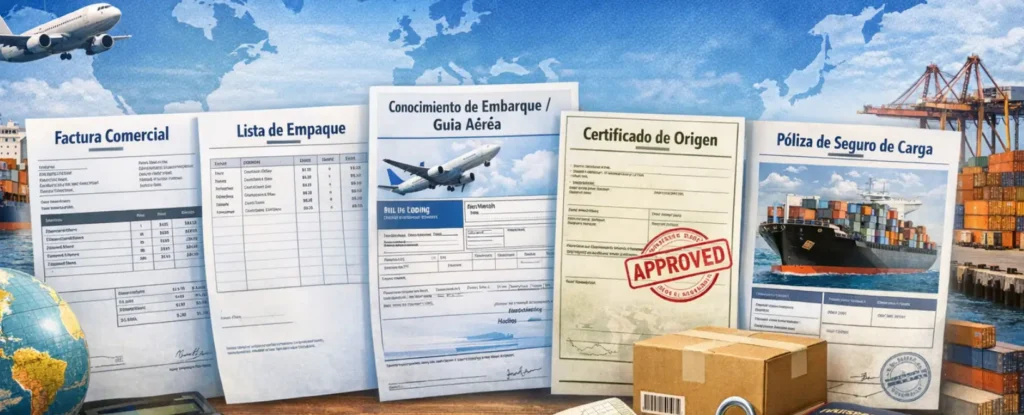
Essential Documentation: 5 Key Documents You Need for International Shipping.

Navigating the complex world of international shipping can be a daunting task, fraught with potential delays and unexpected costs if not handled meticulously. At the heart of a smooth, efficient, and compliant shipping process lies one critical element: **accurate and complete documentation**. Without the right paperwork, your goods could face customs holds, fines, or even rejection at the port of entry. To help you streamline your global logistics, here are five essential documents you need for international shipping. Why Essential Documentation is Paramount for International Shipping Understanding the importance of each document isn’t just about avoiding trouble; it’s about facilitating trade, ensuring compliance with international laws, and protecting your interests. Proper documentation serves multiple purposes: Customs Clearance: It provides customs authorities with all the necessary information to assess duties, taxes, and regulatory compliance. Legal Proof: Documents like the Bill of Lading serve as a contract of carriage and can be proof of ownership. Risk Mitigation: An accurate packing list helps in verifying cargo against damage or loss. Efficiency: Well-prepared documents reduce the likelihood of delays, saving both time and money. The 5 Key Documents You Need for International Shipping 1. Commercial Invoice The **Commercial Invoice** is arguably the most crucial document in international trade. It’s a bill for the goods from the seller to the buyer, but for customs purposes, it’s far more detailed than a standard domestic invoice. Key Details to Include: Seller and buyer’s full names and addresses. Date of issue. Invoice number. Detailed description of goods (including HS codes). Quantity of goods. Unit value and total value of goods. Currency of transaction. Terms of sale (Incoterms®). Reason for export. Country of origin. Why it’s essential: Customs officials use the commercial invoice to determine the true value of the goods for duties and taxes, and to ensure that the goods are permissible for import. 2. Packing List While often confused with the commercial invoice, the **Packing List** serves a distinct and equally important role. It details the contents of each package within a shipment, without including pricing information. Key Details to Include: Shipper and consignee information. Invoice number and date. Total number of packages. Detailed description of contents for each package. Dimensions and weight (gross and net) of each package. Any special handling instructions. Why it’s essential: The packing list assists freight forwarders in planning cargo space, helps customs officials verify the contents of a shipment during inspection, and is invaluable for the consignee in checking received goods against the order. It’s also crucial for insurance claims if goods are damaged or lost. 3. Bill of Lading (B/L) or Air Waybill (AWB) These documents serve as a contract between the shipper and the carrier, a receipt for goods, and in the case of a Bill of Lading, a document of title to the goods. Bill of Lading (B/L) – For Ocean Freight A **Bill of Lading** is issued by the ocean carrier to the shipper. It has three main functions: Contract of Carriage: Evidences the terms and conditions of the transportation agreement. Receipt of Goods: Confirms the carrier has received the goods in good condition. Document of Title: Grants ownership of the goods to the party holding the B/L. Air Waybill (AWB) – For Air Freight Similar to a B/L, an **Air Waybill** is a non-negotiable document that serves as a contract of carriage and a receipt for goods. Unlike a B/L, it is not a document of title, meaning the holder of an AWB cannot claim ownership of the goods. Why it’s essential: Both documents are fundamental for tracking the shipment, customs clearance, and ensuring the correct party receives the goods. Without them, your cargo simply won’t move. 4. Certificate of Origin (COO) A **Certificate of Origin** is a document that attests to the country of manufacture or production of the goods being exported. It’s an important document for trade agreements and duties. Key Aspects: Identifies the exporting country and the country where the goods were manufactured. May be required by importing countries for preferential tariff treatment under free trade agreements (e.g., USMCA, ASEAN Free Trade Area). Often notarized or certified by a Chamber of Commerce or other authorized body. Why it’s essential: The COO allows importing countries to determine if goods are eligible for reduced tariffs or duty-free entry under existing trade agreements. Without it, the importer might pay higher duties. 5. Export/Import Licenses or Permits Depending on the type of goods being shipped and the destination country, you may need specific **Export Licenses or Import Permits**. These are government-issued authorizations for the movement of controlled or restricted items. Common Scenarios Requiring Licenses/Permits: Dual-use goods: Items with both commercial and military applications. Controlled substances: Pharmaceuticals, chemicals. Hazardous materials: Flammable liquids, radioactive substances. Sanctioned goods: Items going to or coming from countries under trade restrictions. Antiques, artwork, or cultural artifacts. Agricultural products or live animals. Why it’s essential: Failure to obtain necessary licenses or permits can lead to severe penalties, including fines, confiscation of goods, and even criminal charges. It’s crucial to research the requirements of both the exporting and importing countries well in advance. Best Practices for Seamless Shipping Even with the right documents, poor execution can lead to problems. Consider these best practices: Accuracy is King: Double-check all information on every document for consistency and correctness. Small errors can cause big delays. Digital Copies: Keep digital copies of all documents for easy access and backup. Know Your Incoterms®: Clearly define the responsibilities of buyer and seller for costs and risks using the correct Incoterms®. Work with Experts: Partner with experienced freight forwarders or customs brokers who understand the nuances of international regulations. Stay Updated: Trade regulations and documentation requirements can change frequently. Stay informed through official government sources or your logistics partners. In conclusion, mastering international shipping documentation is not just about compliance; it’s about empowering your business to thrive in the global marketplace. By diligently preparing and managing these five essential documents—the **Commercial Invoice**, **Packing List**, **Bill of Lading/Air Waybill**, **Certificate of Origin**,
Air Freight

2026 Guide: How to Choose a Freight Forwarder That Doesn’t Just Move Cargo, but Optimizes Your Supply Chain.

The year 2026 isn’t just another year on the calendar; it represents a new era in global trade. Supply chains are no longer linear paths but intricate webs influenced by geopolitical shifts, technological advancements, and a renewed focus on sustainability and resilience. In this dynamic landscape, your freight forwarder can no longer be a mere mover of boxes. They must evolve into a strategic partner, a true architect of your supply chain’s efficiency and future-proofing. This guide will help you choose a freight forwarder that doesn’t just move cargo, but optimizes your entire supply chain. 2026 Guide: How to Choose a Freight Forwarder That Doesn’t Just Move Cargo, but Optimizes Your Supply Chain The traditional role of a freight forwarder—booking space, handling customs, and managing documentation—is now table stakes. In 2026, businesses demand more. They need partners who can leverage data, anticipate disruptions, and integrate seamlessly into their operations to drive cost savings, improve speed to market, and build robust, resilient supply chains. Why the Shift? The Modern Supply Chain Imperative Increased Volatility: Geopolitical tensions, climate events, and economic fluctuations make traditional planning obsolete. Digital Transformation: Companies are investing heavily in digital tools, expecting their partners to keep pace. Sustainability Mandates: Growing pressure from consumers and regulators for greener logistics. Data-Driven Decisions: The need for real-time visibility and predictive analytics to optimize inventory and routes. Customer Expectations: Demands for faster, more reliable, and transparent delivery. To meet these challenges, your freight forwarder must offer more than just transport. They need to be an extension of your operational intelligence. Beyond Basic Services: What to Look For in a 2026 Freight Forwarder 1. Data & Analytics Capabilities: The Power of Insights A forwarder truly optimizing your supply chain will offer deep insights into your shipping patterns, costs, and potential bottlenecks. Look for: Real-time Visibility Platforms: Not just tracking, but platforms that provide live updates on location, status, and estimated arrival times across all modes. Predictive Analytics: Can they forecast potential delays, peak seasons, or port congestion and suggest alternative routes or modes proactively? Performance Reporting: Detailed reports on transit times, cost per shipment, carrier performance, and carbon footprint. Customizable Dashboards: Tools that allow you to visualize your supply chain data in a way that’s meaningful to your business goals. 2. Technology Integration: Seamless Operations Manual processes are productivity killers. Your forwarder should embrace technology to streamline operations and enhance collaboration. API Integration: The ability to seamlessly integrate with your existing Enterprise Resource Planning (ERP) or Transportation Management System (TMS) for automated data exchange. Digital Documentation: A move towards paperless processes, electronic invoicing, and digital customs declarations. IoT and AI-powered Solutions: Usage of smart sensors for condition monitoring (temperature, humidity) and AI for optimized route planning or demand forecasting. Cybersecurity Protocols: Robust measures to protect your sensitive shipping data. 3. Proactive Risk Management & Resilience Planning The best forwarders don’t just react to disruptions; they anticipate and mitigate them. Contingency Planning: Does the forwarder have pre-approved alternative routes, carriers, and modes for critical lanes? Diversified Network: Access to a broad network of carriers, warehouses, and partners globally to avoid single points of failure. Market Intelligence: Providing updates on port conditions, labor disputes, regulatory changes, or other potential impacts on your supply chain. Insurance Expertise: Guidance on optimal cargo insurance options to protect your goods against unforeseen events. 4. Sustainability Focus: Greener Logistics Environmental responsibility is no longer optional. A forwarder focused on optimization will help you achieve your sustainability goals. Emissions Tracking & Reporting: Providing data on the carbon footprint of your shipments. Eco-friendly Options: Offering access to greener shipping methods (e.g., sustainable aviation fuel, electric vehicles for last-mile, intermodal solutions). Optimization for Reduced Waste: Strategies like route optimization, consolidation, and efficient warehousing to minimize environmental impact. Certifications & Partnerships: Affiliation with recognized sustainability initiatives or certifications. 5. Consultative Approach: Your Strategic Partner A true optimizer acts as a consultant, not just a service provider. They should understand your business goals and offer tailored solutions. Industry Expertise: Deep knowledge of your specific industry’s challenges and compliance requirements. Customized Solutions: An unwillingness to offer one-size-fits-all services, instead designing solutions around your unique needs. Dedicated Account Management: A point of contact who truly understands your operations and acts as an advocate for your business. Continuous Improvement: A commitment to regularly review performance, identify areas for improvement, and implement new strategies. Key Questions to Ask Prospective Freight Forwarders When evaluating potential partners, ensure you ask pointed questions that reveal their strategic capabilities: “Describe your approach to supply chain optimization beyond basic freight movement. Can you provide case studies?” “What proprietary technology or platforms do you use for visibility, analytics, and integration? How do they integrate with common ERP/TMS systems?” “How do you proactively identify and mitigate risks, such as port congestion, geopolitical events, or carrier disruptions?” “What specific services or data do you offer to help us achieve our sustainability goals and track our carbon footprint?” “How do you handle exceptions or unforeseen challenges? What is your typical response time and escalation process?” “What ongoing reporting and performance metrics do you provide, and how often are these reviewed with clients?” “Tell us about your internal team’s expertise in our industry. Do you have specialists who understand our specific regulatory or compliance needs?” “How do you stay current with industry trends, emerging technologies, and global trade regulations?” Red Flags to Watch Out For Lack of Transparency: Vague answers about pricing, service levels, or technology. Outdated Technology: Reliance on manual processes, email-heavy communication, and absence of modern visibility tools. “One-Size-Fits-All” Mentality: An inability or unwillingness to tailor solutions to your specific needs. Poor Communication: Unresponsive, unclear, or inconsistent communication during the evaluation phase. No Sustainability Focus: If they dismiss or have no clear strategy for green logistics, they’re not aligned with 2026 demands. Over-reliance on a Single Carrier/Route: Indicates a lack of network diversification and risk mitigation. The Bottom Line: Invest in a Strategic Partner In 2026, your freight forwarder is no longer just a vendor; they

Air Freight

Just-in-Time Inventory Management: Risks and Benefits in Modern Global Trade.

Just-in-Time (JIT) inventory management is a methodology originating from Japan’s automotive industry, pioneered by Toyota. At its core, JIT aims to increase efficiency and decrease waste by receiving goods only as they are needed in the production process, thereby reducing inventory costs. In today’s interconnected global economy, JIT has become a pervasive strategy, promising significant competitive advantages. However, its implementation in complex, multi-national supply chains also introduces substantial risks, making it a double-edged sword for modern businesses. The Core Principle of Just-in-Time The fundamental idea behind JIT, also known as lean manufacturing, is to eliminate waste in all forms – overproduction, waiting, unnecessary transport, over-processing, excess inventory, unnecessary movement, and defects. Instead of maintaining large stockpiles, companies operating under a JIT model work on a “pull” system, where production is initiated only when there is a customer order or a downstream process demands materials. How it Works JIT relies heavily on precise forecasting, efficient communication, and strong relationships with suppliers. It’s not merely about reducing inventory; it’s about optimizing the entire value stream to deliver products or services with the highest quality, in the shortest lead time, and at the lowest cost. Minimal Inventory: Stock is ordered and received just before it’s needed for production or sale. Reduced Lead Times: Suppliers are often geographically close or have highly efficient logistics. Continuous Improvement (Kaizen): An ongoing effort to improve processes and reduce waste. Strong Supplier Relationships: Trust and collaboration are essential for timely and quality deliveries. Quality Control: Defect prevention is critical, as there’s little buffer to absorb errors. Benefits of Just-in-Time Inventory Management The allure of JIT stems from its potential to dramatically improve a company’s financial performance and operational agility. Reduced Costs Storage Costs One of the most immediate benefits is the significant reduction in inventory holding costs. Less stock means less warehouse space, fewer personnel for inventory management, and lower insurance premiums. Waste Reduction By minimizing excess inventory, companies reduce the risk of obsolescence, spoilage, or damage. This directly translates into less waste and improved profitability. Capital Efficiency JIT frees up capital that would otherwise be tied up in inventory. This capital can then be reinvested in other areas of the business, fostering growth and innovation. Improved Efficiency and Responsiveness Agility to Market Changes With lower inventory levels, businesses can quickly adapt to changes in customer demand, product designs, or market trends. This flexibility is a crucial competitive advantage in fast-paced industries. Enhanced Quality Control Because there’s no buffer stock, defects are immediately apparent, forcing companies to address quality issues at their source rather than allowing them to accumulate. This focus on “right first time” improves overall product quality. Lower Inventory Holding Costs Reduced Waste and Obsolescence Improved Cash Flow and Capital Utilization Greater Flexibility and Responsiveness to Market Demands Enhanced Product Quality and Process Efficiency Risks of Just-in-Time Inventory Management While the benefits are compelling, the globalized nature of modern trade amplifies the inherent risks associated with JIT, turning potential delays into catastrophic disruptions. Supply Chain Vulnerability Disruptions and Delays The lean nature of JIT leaves little room for error. Any disruption in the supply chain – a truck breakdown, port strike, or customs delay – can halt production entirely, leading to significant financial losses and reputational damage. The COVID-19 pandemic starkly highlighted this vulnerability, exposing the fragility of global supply chains built on JIT principles. Geopolitical and Environmental Factors Geopolitical tensions, natural disasters (e.g., earthquakes, floods), and even localized extreme weather events can severely impact a global JIT supply chain, as alternative suppliers or routes may not be readily available. Increased Reliance on Suppliers Quality and Reliability Issues JIT demands impeccable quality and punctuality from all suppliers. A single unreliable supplier can jeopardize the entire production process. Companies often depend on a limited number of specialized global suppliers, making them vulnerable if one fails. Price Fluctuations Without buffer stock, companies may have less leverage to negotiate prices during periods of high demand or material shortages, as they cannot simply draw from existing inventory. Loss of Buffer Stock Inability to Meet Unexpected Demand Spikes While JIT promotes flexibility, it struggles with sudden, unforeseen surges in demand. Without extra stock, businesses can miss out on sales opportunities and disappoint customers, potentially losing market share. Production Shutdowns A minor hiccup, like a missing component, can lead to entire assembly lines grinding to a halt, incurring massive costs in idle labor and lost production capacity. Extreme Vulnerability to Supply Chain Disruptions Over-reliance on Supplier Reliability and Quality Inability to Cope with Unexpected Demand Surges Higher Risk of Production Stoppages Increased Exposure to Geopolitical and Environmental Risks JIT in Modern Global Trade: A Balancing Act The modern global trade landscape, characterized by complex interconnectedness and frequent disruptions, necessitates a re-evaluation of pure JIT strategies. Companies are now seeking a balance between lean efficiency and supply chain resilience. The Impact of Globalization and Technology Supply Chain Mapping Advanced technologies allow companies to map their entire global supply chain, identifying potential single points of failure and developing contingency plans. This visibility is paramount for mitigating JIT risks. Data Analytics and AI Predictive analytics and Artificial Intelligence (AI) are being used to forecast demand more accurately and anticipate potential disruptions, enabling more proactive inventory management decisions within a JIT framework. Building Resilience Diversification of Suppliers Companies are moving towards a strategy of using multiple suppliers for critical components, even if it slightly increases costs. This “multi-sourcing” reduces dependency on any single entity. Strategic Stockpiling (Hybrid Models) Many businesses are adopting a hybrid approach, maintaining minimal JIT inventory for stable, high-volume items, while strategically stockpiling a modest buffer of critical, high-risk components or those with long lead times. This moves away from a pure JIT model towards Just-in-Case (JIC) for certain items. The future of JIT lies in its intelligent application, where companies leverage technology to gain unparalleled visibility and agility, while simultaneously building resilience through strategic diversification and calculated buffer stocks. Just-in-Time inventory management remains a powerful paradigm for achieving efficiency and cost
Air Freight

What is a Freight Forwarder and Why Does Your Company Need One in 2026?

In the increasingly complex world of global trade, businesses are constantly seeking ways to streamline logistics, reduce costs, and ensure the timely delivery of goods. While many companies handle local deliveries themselves, managing international shipping often requires a specialist. Enter the Freight Forwarder. Understanding what they do and why your company will need one in 2026 is crucial for maintaining a competitive edge. What is a Freight Forwarder? A freight forwarder acts as an intermediary between a shipper (the company moving the goods) and various transportation services (ocean liners, air freight carriers, trucking companies, and railroads). They are essentially the logistics architects, planning the most efficient and cost-effective route for moving cargo from its point of origin to its final destination. Contrary to common misconception, a freight forwarder does not typically own the ships, planes, or trucks used to transport the cargo. Instead, they leverage their network, expertise, and volume purchasing power to secure space and favorable rates with carriers. Key Responsibilities of a Freight Forwarder The role of a forwarder goes far beyond simply booking transportation. Their responsibilities encompass a wide range of critical logistics functions: Negotiation and Booking: Securing the best rates and reserving necessary capacity with various carriers. Documentation Management: Preparing and processing crucial shipping documents, such as Bills of Lading, commercial invoices, packing lists, and Certificates of Origin. Customs Brokerage: Facilitating customs clearance, calculating duties and taxes, and ensuring compliance with international trade regulations. Cargo Insurance: Arranging insurance to protect the goods against loss or damage during transit. Warehousing and Distribution: Coordinating storage, consolidation, and “last mile” delivery services. Tracking and Communication: Providing real-time updates on the shipment status to the client. Why Does Your Company Need a Freight Forwarder in 2026? As supply chains become more digitized, fragmented, and vulnerable to geopolitical shifts, relying on a professional freight forwarder becomes less of a luxury and more of a necessity. Here are the primary reasons why your business should engage a forwarder by 2026: 1. Navigating Geopolitical and Regulatory Complexity The global trade landscape is constantly changing. Trade tariffs, sanctions, and dynamic customs regulations (such as the EU’s Carbon Border Adjustment Mechanism (CBAM) or evolving US-China trade policies) require expert interpretation. A mistake in classification or documentation can lead to costly delays, fines, or seizure of goods. Expertise in Global Compliance A freight forwarder ensures 100% regulatory compliance. They stay current on international trade law, manage complex paperwork (especially crucial for multimodal transport), and advise on the most beneficial Incoterms (International Commercial Terms) for your transactions. 2. Optimizing Costs and Route Efficiency While hiring a forwarder incurs a fee, the savings they generate often far outweigh the cost. They have volume contracts with carriers that individual shippers simply cannot access, resulting in lower shipping rates. Consolidation Services: Forwarders can consolidate multiple smaller shipments from different clients into one large shipment (FCL – Full Container Load), significantly reducing LCL (Less than Container Load) costs for small and medium-sized enterprises (SMEs). Risk Mitigation: By identifying potential bottlenecks and utilizing alternative transport modes (e.g., shifting from ocean to rail during peak season), they prevent expensive demurrage, detention fees, and spoiled inventory. Time Savings: By outsourcing the logistics management, your internal staff can focus on core business competencies like product development and sales, rather than spending hours coordinating pickups and customs paperwork. 3. Resilience and Technology Integration The COVID-19 pandemic and the subsequent Suez Canal blockage highlighted the fragility of global supply chains. In 2026, technology will be central to managing this risk. Modern freight forwarders are adopting sophisticated digital platforms that offer: Real-Time Visibility: Advanced tracking systems integrated via APIs (Application Programming Interfaces) provide end-to-end visibility of your cargo, allowing for proactive intervention if delays occur. Predictive Analytics: Using AI and machine learning, forwarders can forecast capacity shortages, price fluctuations, and transit time variability, helping your company make smarter inventory decisions. Digital Documentation: Moving away from cumbersome paper trails, forwarders facilitate quick, secure, and accurate electronic data interchange (EDI) with customs and carriers. 4. Access to Specialized Services Not all cargo is created equal. If your company deals with temperature-sensitive goods (pharmaceuticals, perishables) or hazardous materials (chemicals, lithium batteries), specialized handling is non-negotiable. Handling Specialized Cargo A seasoned freight forwarder has the certifications and carrier relationships necessary to handle complex or specialized logistics needs. They ensure that cargo requiring specific environmental controls (e.g., Reefer containers) or adherence to strict Hazmat (Hazardous Materials) regulations is managed safely and compliantly, minimizing liability for your company. Conclusion: The Strategic Partner for Global Growth In 2026, the logistics landscape will be defined by speed, resilience, and regulatory diligence. A freight forwarder is no longer just a transaction coordinator; they are a strategic partner vital to your company’s success in international markets. By entrusting your complex shipping needs to these experts, your business can reduce operational headaches, capitalize on efficiency savings, and confidently expand its global reach, ensuring your goods move reliably across any border, in any condition.

Air Freight

¿Qué es un Freight Forwarder y por qué tu empresa necesita uno en 2026?

En el complejo mundo del comercio internacional, donde las cadenas de suministro son cada vez más largas, volátiles y vulnerables, la figura del Freight Forwarder (o transitario) es más que un simple intermediario; es un socio logístico esencial. Este artículo desglosará qué es exactamente un Freight Forwarder y por qué su empresa no podrá permitirse el lujo de operar sin uno en el panorama logístico de 2026. ¿Qué es un Freight Forwarder (Transitarios)? Un Freight Forwarder es un agente logístico que actúa como intermediario entre el expedidor (su empresa) y los diversos servicios de transporte (marítimo, aéreo, terrestre o ferroviario). Su rol central es organizar y gestionar el movimiento de mercancías desde el punto de origen hasta el destino final. Es importante destacar que, en la mayoría de los casos, los transitarios no son propietarios de los activos de transporte (buques, aviones, camiones), sino que utilizan su conocimiento de la red global y su poder de negociación para asegurar que la carga se mueva de la manera más eficiente, rápida y rentable posible para el cliente. Las Funciones Centrales del Freight Forwarder Las responsabilidades de un buen transitario son amplias y abarcan toda la cadena de suministro internacional: Gestión de Documentación Aduanera: Preparación y presentación de todos los documentos requeridos (Conocimientos de Embarque, Cartas de Crédito, facturas comerciales, etc.). Consolidación de Carga: Agrupar envíos pequeños de múltiples clientes (LCL o LTL) para llenar contenedores o vehículos completos, optimizando el costo. Almacenamiento y Distribución: Coordinación de servicios de almacén, etiquetado y gestión de la “última milla”. Seguros de Carga: Asesoramiento y contratación de pólizas de seguro adecuadas para proteger el valor de la mercancía durante el tránsito. Negociación de Tarifas: Usar su volumen de envíos para conseguir tarifas de flete preferenciales con transportistas directos. El Imperativo Logístico: Por Qué Son Vitales en 2026 La disrupción global de los últimos años (pandemias, conflictos geopolíticos, crisis climáticas y el aumento de la ciberseguridad) ha transformado la logística de un costo operativo a un factor estratégico de competitividad. Para 2026, la dependencia de un experto externo será crucial para la mitigación de riesgos y la resiliencia. Desafíos Específicos que un FF Mitiga en la Era Digital 1. Complejidad Regulatoria Global Las normativas aduaneras (incluyendo Incoterms y acuerdos comerciales regionales) están en constante cambio. Un Freight Forwarder experto se mantiene actualizado, asegurando la conformidad legal, evitando multas y garantizando que su mercancía no quede retenida en puerto. 2. Visibilidad y Tecnología de la Cadena de Suministro En 2026, la expectativa es tener visibilidad total. Los FF modernos integran tecnologías avanzadas (IA, IoT y plataformas de seguimiento) que permiten al cliente monitorear su carga en tiempo real y reaccionar rápidamente ante demoras o incidentes. Esto es un nivel de inversión tecnológica que pocas PyMEs pueden asumir internamente. 3. La Volatilidad de Costos y Capacidad Los precios del combustible y la capacidad de transporte son altamente inestables. Un buen transitario tiene acceso a múltiples transportistas y puede cambiar ágilmente entre modos de transporte (marítimo a aéreo, por ejemplo) cuando surgen problemas de capacidad, ofreciendo soluciones de contingencia inmediatas. Los Beneficios Estratégicos de Contratar un Freight Forwarder Delegar la logística a un profesional libera recursos internos y ofrece ventajas competitivas claras en un mercado cada vez más exigente: Optimización de Costos y Tiempo: Aunque usted pague una tarifa de servicio, el costo total de la logística (incluyendo tarifas, almacenaje, multas y gestión del tiempo) suele ser menor. Los transitarios maximizan la carga, minimizan los tiempos de inactividad y eligen las rutas más rentables. Enfoque en el Core Business: Al externalizar la compleja tarea de la logística internacional, su equipo puede concentrarse en la producción, ventas y desarrollo de productos. Se ahorra la necesidad de contratar un equipo interno dedicado exclusivamente a la gestión aduanera y de fletes. Gestión de Riesgos y Resiliencia: Si un puerto se cierra inesperadamente o una naviera cancela un viaje, el FF activa inmediatamente planes de contingencia (rutas alternativas, transbordo aéreo, etc.), manteniendo la continuidad del negocio y minimizando el impacto financiero de las interrupciones. Conocimiento Global y Red Local: Un FF de calidad tiene una red global de agentes de confianza. Esto es invaluable para resolver problemas logísticos específicos en países extranjeros y gestionar eficazmente los procesos de importación y exportación de cada jurisdicción. En resumen, para 2026, la figura del Freight Forwarder ha evolucionado de un mero proveedor de servicios a un consultor estratégico de riesgos y eficiencia. En un entorno global que premia la resiliencia y la velocidad, contar con un socio logístico experto ya no es un lujo, sino una necesidad fundamental para garantizar la continuidad y el crecimiento sostenible de su negocio internacional.

Air Freight

Sea Freight vs. Air Freight: A Guide to Choosing Based on Your Profit Margin.

En el mundo del comercio internacional, la decisión de cómo transportar sus mercancías puede ser tan crucial como el producto mismo. Elegir entre transporte marítimo y aéreo impacta directamente la velocidad, la confiabilidad y, sobre todo, los resultados de su cadena de suministro. Esta guía profundiza en cómo su margen de beneficio debería determinar su elección de transporte. El impacto del transporte de mercancías en la rentabilidad Los costos de transporte son un gasto variable significativo que puede determinar la rentabilidad de una operación de importación o exportación. Los productos con alto margen de beneficio pueden absorber fácilmente el costo adicional del transporte aéreo, mientras que los productos voluminosos con bajo margen de beneficio exigen la eficiencia del transporte marítimo. Comprender las estructuras de costos y las implicaciones temporales es clave para maximizar las ganancias. Las principales diferencias: costo, velocidad y confiabilidad Antes de analizar el impacto sobre los márgenes, es esencial comprender las compensaciones fundamentales entre ambos modos. Transporte marítimo: la solución rentable para el volumen Costo: Generalmente 4 a 6 veces más barato que el transporte aéreo, especialmente para grandes volúmenes (Full Container Load o FCL). Velocidad: Lenta. Los tiempos de tránsito suelen oscilar entre 20 y 45 días, según la ruta. Capacidad: Prácticamente ilimitada. Ideal para productos pesados, voluminosos o no perecederos. Impacto ambiental: Menor huella de carbono por unidad enviada en comparación con el transporte aéreo. Transporte aéreo: la solución rápida y de alta calidad Costo: Alto. El precio se basa en el peso volumétrico, lo que lo hace caro para artículos densos o grandes. Rapidez: Rápida. Los tiempos de tránsito suelen oscilar entre 1 y 5 días, lo cual es crucial para cargas urgentes. Capacidad: Restringida. Limitada por el tamaño y el peso de la bodega de carga de la aeronave. Seguridad: Generalmente mayor seguridad debido a los estrictos protocolos del aeropuerto. Cómo determinar su punto de equilibrio y la sensibilidad del margen El cálculo de su Margen de Utilidad Bruta (MUG) debe incluir los costos de flete. Su MUG se calcula como:  (Ingresos – Costo de Ventas – Costos de Envío) / Ingresos Cuando los costos de envío aumentan, su margen se reduce rápidamente. Escenario 1: Márgenes de beneficio bajos (por debajo del 20%) Si sus productos entran en esta categoría (a menudo materias primas, materiales a granel o bienes de consumo de rápido movimiento (FMCG) vendidos en grandes volúmenes), cada centavo ahorrado en envío es vital. Recomendación: Elija siempre el transporte marítimo . Justificación: El enorme ahorro en costos del transporte marítimo es innegociable. Los costos del flete aéreo probablemente convertirían una pequeña ganancia en una pérdida. Debe priorizar la planificación del inventario y los plazos de entrega más largos para garantizar la disponibilidad de existencias. Escenario 2: Márgenes de beneficio medios (20% a 40%) Esta categoría incluye una amplia gama de productos, como componentes electrónicos, prendas de vestir y maquinaria especializada. La elección depende en gran medida de factores externos y del riesgo de inventario. Consideraciones clave para bienes de margen medio: Costo de mantenimiento de inventario: si mantener el inventario durante 30 días mientras espera el tránsito marítimo es más barato que pagar la prima aérea, opte por el transporte marítimo. Volatilidad de la demanda: si la demanda es impredecible o la obsolescencia del producto es un riesgo (por ejemplo, artículos de moda), la velocidad del transporte aéreo puede justificar el costo adicional para reducir el riesgo de inventario. Reposición urgente: utilice el transporte aéreo solo para pedidos de “recuperación” o cuando se enfrente a una situación crítica de falta de existencias que daría lugar a una pérdida de ventas mayor que el costo del transporte aéreo. Escenario 3: Márgenes de beneficio elevados (superiores al 40%) Los artículos de lujo, los productos farmacéuticos de alto valor, la tecnología especializada y ciertos artículos de comercio electrónico suelen incluirse en este segmento. El coste de los productos es relativamente bajo en comparación con su precio de venta al público. Recomendación: La flexibilidad y la rapidez son primordiales. Si bien el transporte marítimo sigue siendo una opción para envíos programados a gran escala, el mayor margen le permite utilizar cómodamente el transporte aéreo para: Entrar rápidamente en nuevos mercados. Responder instantáneamente a la presión competitiva. Mantenga una experiencia de cliente superior a través de una entrega rápida, lo que a menudo se traduce en una mejor lealtad del cliente y ganancias futuras. El costo oculto del tiempo: el costo de oportunidad Si bien el transporte marítimo ahorra dinero directamente, implica un costo de oportunidad . Cada día de espera significa: El dinero gastado en esos bienes está inmovilizado (el capital de trabajo está restringido). Los ingresos potenciales por ventas se retrasan. Para las empresas con altos márgenes de ganancia, el aumento marginal en las ventas que se logra al recibir la mercancía 30 días antes por transporte aéreo suele eclipsar el gasto adicional de envío. No calcule solo el costo en dólares; calcule la rentabilidad de esas semanas perdidas. Conclusión: Un enfoque estratégico híbrido La estrategia logística óptima rara vez implica usar un solo modo. Una empresa inteligente emplea un enfoque híbrido basado en un análisis exhaustivo del margen bruto del producto y la urgencia de la necesidad: Utilice Sea Freight para la mayoría de los envíos planificados, predecibles y de gran volumen para mantener la máxima rentabilidad. Reserve carga aérea estratégicamente para artículos de alto valor, reposición de emergencia, lanzamientos de productos o componentes críticos en el tiempo, aprovechando su alto margen para garantizar la continuidad del negocio y la satisfacción del cliente. En definitiva, la elección entre transporte marítimo y aéreo es una decisión estratégica basada en las finanzas. Analice la sensibilidad de su margen de beneficio, calcule el coste total de propiedad (incluidos los costes de mantenimiento de inventario) y elija la opción que le garantice alcanzar sus objetivos de ventas, manteniendo un flujo de capital circulante saludable.

Air Freight

Hidden Costs in Logistics: 5 Charges You Must Avoid When Hiring Land Transportation

In the fast-paced U.S. logistics market, the price you see on an initial quote is rarely the price you end up paying if you don’t pay attention to the fine print. For businesses operating out of key hubs like Houston, Texas, operational efficiency depends heavily on the transparency of their transportation partners. At NCVEN Corporation, we know that your business’s profitability relies on precise planning. That is why we have identified the 5 most common additional charges that can inflate your final land freight bill. 1. Unindexed Fuel Surcharges While a fuel surcharge is standard in the industry, the problem arises when there is no clarity on which index is being used for the calculation. Some carriers apply high fixed rates instead of adjusting to weekly fluctuations in the energy market. Expert Tip: Ensure your freight shipping provider uses official, up-to-date Department of Energy (DOE) indices. 2. Detention and Demurrage Fees One of the most common hidden costs in land transportation occurs right at the loading dock. If a truck waits longer than the allotted “free time” (usually 2 hours), hourly charges start to accrue. How to avoid it: Efficient logistics management and constant communication with NCVEN Corporation allow for coordinated loading windows, minimizing wait times in Houston and across the country. 3. Accessorial Charges These are “extra” services that aren’t always mentioned during the initial inquiry. They include the use of a liftgate, residential deliveries, or “re-consignment” fees (changing the delivery address mid-transit). Key takeaway: Clearly define all delivery requirements during the quoting phase to avoid surprise logistics fees. 4. Re-weigh and Re-classification Fees In LTL (Less than Truckload) shipping, if the weight or freight class of your goods doesn’t exactly match what was declared on the Bill of Lading (BOL), carriers will apply steep penalties for re-weighing and correcting the class. SEO Insight: Maintaining accurate documentation is vital for logistics cost optimization. 5. Supplemental Insurance and Limited Liability Many shippers assume their cargo is 100% covered, but standard carrier liability is often limited by weight or commodity type. If an incident occurs and you don’t have proper cargo insurance, you could face massive financial losses. Recommendation: Always ask about the scope of transportation liability coverage before signing the contract. Why Choose NCVEN Corporation in Houston, Texas? Strategically located in Houston, Texas, NCVEN Corporation specializes in eliminating uncertainty. Our priority is to provide domestic land transport and international solutions with clear, upfront pricing—no last-minute surprises. We understand that merchandise transportation in the USA requires a partner who knows the routes, the regulations, and, above all, values honesty in every invoice. “Transparency isn’t just a value; it’s our tool for optimizing your supply chain.” Ready to Optimize Your Shipping Costs Today? Don’t let unforeseen logistics expenses eat into your profit margins. At NCVEN Corporation, we help you audit your transportation needs to provide the most cost-effective solution. Would you like us to provide a transparent, no-obligation quote for your next shipment from Houston? Contac us now! Click here

Air Freight

Air Freight Logistics in the United States 2025: The Definitive Guide for Businesses and Operators

Air freight logistics has become a strategic pillar of global trade and the United States economy. With the rise of e-commerce, changes in global supply chains, and the integration of new technologies, understanding this sector is essential for any company managing urgent shipments, high-value goods, or complex logistics operations. The Air Freight Market in the U.S. Is Growing The air cargo sector in the United States is experiencing significant expansion. The air freight transportation market is estimated to reach approximately USD 49.85 billion in 2025, with projections to continue growing to USD 61.63 billion by 2030. This represents sustained market growth, driven by demand for efficient services supporting e-commerce and specialized industries such as pharmaceuticals and technology.Source: Mordor Intelligence In addition, another analysis projects that market demand could nearly increase by 2.5 times between 2025 and 2035, with a compound annual growth rate of nearly 9.8%, led by domestic services and integrated logistics solutions.Source: Fact.MR Key Factors Driving Air Freight Logistics 1. E-commerce and Urgent Deliveries The growth of e-commerce has been one of the main drivers of air freight demand. Consumers increasingly expect faster deliveries, forcing logistics operators to optimize networks, transit times, and tracking technologies. 2. Changes in Trade Routes and Policies Factors such as the removal of tax exemptions for low-value goods shipped from China have altered demand for cargo flights to the United States, affecting transportation flows and costs between Asia and North America.Source: The Wall Street Journal 3. Technological Integration Logistics companies are adopting automation, artificial intelligence for route optimization and demand forecasting, and IoT technologies to improve real-time shipment visibility while reducing errors and delays.Source: ublco.net 4. UPS Strategic Hub and Supply Chain Impact UPS Worldport in Louisville, one of the highest-capacity logistics hubs in the world, processes millions of packages daily, connecting domestic and international routes. Its scale and advanced technologies position it as a critical node in the global logistics network.Source: Reuters Key Industry Trends 1. Automation and Digital Transformation From robotics in cargo terminals to advanced digital tracking systems, air freight operations are adopting solutions that improve efficiency and reduce errors in cargo handling. 2. Sustainability and Regulatory Pressure Air transportation remains more emissions-intensive than other modes of transport, driving the industry to innovate in sustainable aviation fuels and adopt better operational practices. 3. Multimodal Logistics Networks The integration of air transport with ground and maritime routes is becoming increasingly common to optimize costs and delivery times, especially for last-mile delivery and international shipments. What Does This Mean for Your Business? Understanding the importance of air freight logistics not only for urgent deliveries, but as part of a broader logistics strategy that can improve delivery times and customer satisfaction. Optimizing your supply chain with real-time tracking tools and technology-driven solutions to increase shipment visibility. Selecting reliable and scalable logistics partners capable of adapting to demand growth and market fluctuations, particularly in fast-moving sectors such as e-commerce. Contac us now! Click here

Scroll to Top