
Author name: Mely Castellanos

Logistics and Warehousing

Taxes and Duties: How to Calculate the Real Cost of Imports Before They Reach Port.

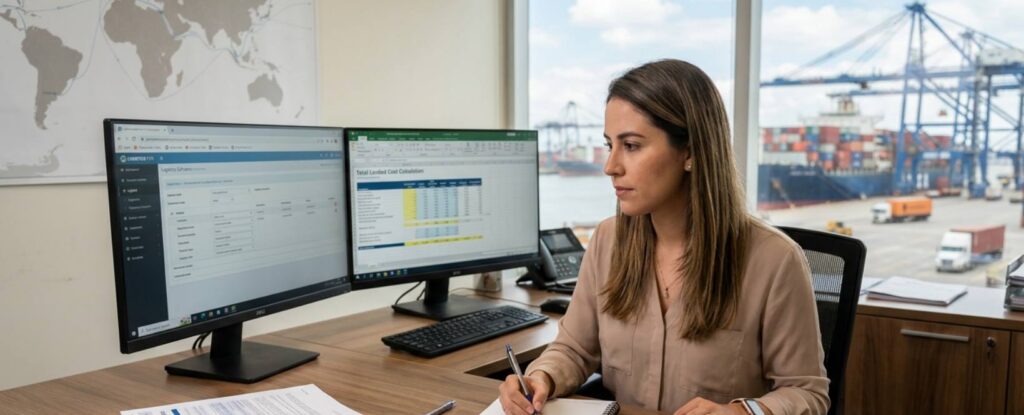
Navigating the complexities of international trade can be challenging, especially when it comes to understanding the full financial impact of imports. Many businesses overlook the crucial step of accurately calculating taxes and duties before their goods even leave the origin port. This oversight can lead to unexpected costs, delayed shipments, and significantly erode profit margins. This article will guide you through the essential components of import costs, focusing on how to calculate taxes and duties to determine the real cost of imports upfront. Why Pre-Calculation is Crucial for Importers Understanding the total landed cost of your imported goods before they arrive is not just good practice; it’s a strategic imperative. Pre-calculating allows you to: Avoid Cost Surprises: Prevent unexpected fees and charges that can inflate your budget. Improve Budgeting and Financial Planning: Accurately allocate funds and forecast cash flow. Set Competitive Pricing: Determine a realistic selling price that covers all costs and ensures profitability. Optimize Sourcing Decisions: Compare costs from different suppliers and countries to find the most economically viable option. Streamline Customs Clearance: Having all documentation and payment estimates ready can significantly speed up the clearance process. Key Components of Import Costs The real cost of an import is a sum of several factors beyond just the product’s purchase price. Here are the main elements: Product Cost: The price of the goods from the supplier (e.g., Ex Works (EXW) or Free On Board (FOB) value). Shipping/Freight Cost: The expense of transporting goods from the seller to the port of entry (ocean freight, air freight, inland transport). Insurance: Coverage for potential loss or damage to goods during transit. Taxes and Duties: The focus of this article – tariffs, VAT/GST, and other country-specific levies. Other Fees: Customs broker fees, port handling charges, warehousing, demurrage, and detention fees. Understanding Taxes and Duties Taxes and duties are often the most variable and complex part of import costs. They are primarily determined by the type of product, its origin, and the destination country’s regulations. 1. Customs Duty (Tariff) Customs duty, also known as a tariff, is a tax levied on goods imported across international borders. Its calculation involves several critical factors: Harmonized System (HS) Code: This is a globally standardized system of names and numbers for classifying traded products. Accurate HS code classification is paramount as it directly determines the duty rate. A wrong code can lead to incorrect duty payments, penalties, or delays. Country of Origin: The country where the goods were manufactured or produced. Trade agreements (e.g., Free Trade Agreements – FTAs) can significantly impact duty rates, offering preferential tariffs or even duty-free status for goods from specific countries. Customs Valuation Method: Customs authorities use specific methods to determine the dutiable value of goods. The most common is the transaction value (the price paid or payable for the goods). However, freight and insurance costs may also be included depending on the Incoterm (e.g., CIF – Cost, Insurance, and Freight usually includes these for valuation, while FOB – Free On Board may not include international freight and insurance in the dutiable value for some countries). Duty Rate: This is a percentage applied to the dutiable value, specified by the destination country’s tariff schedule based on the HS code and country of origin. Calculation Example: If goods have a dutiable value of $10,000 and the duty rate is 5%, the customs duty would be $10,000 x 0.05 = $500. 2. Value Added Tax (VAT) / Goods and Services Tax (GST) VAT or GST is a consumption tax applied in many countries at various stages of production and distribution, including imports. For imports, it’s typically calculated on the sum of the product’s value, shipping, insurance, and the customs duty paid. Basis of Calculation: Unlike customs duty, which is often calculated on the CIF value (Cost, Insurance, Freight), VAT/GST is usually calculated on the CIF value plus the customs duty. Rate: The VAT/GST rate varies significantly by country (e.g., 20% in the UK, 10% in Australia). Recoverability: For businesses registered for VAT/GST, the import VAT/GST paid can often be recovered as an input tax credit, making it less of a final cost and more of a cash flow consideration. However, it still needs to be paid upfront. Calculation Example: If the CIF value is $10,500 (Product + Freight + Insurance) and the duty is $500, the VAT basis would be $11,000. With a VAT rate of 20%, the VAT would be $11,000 x 0.20 = $2,200. 3. Other Applicable Taxes and Fees Beyond standard duties and VAT/GST, other taxes and fees might apply, especially to specific categories of goods: Excise Tax: Levied on certain goods like alcohol, tobacco, fuel, and luxury items. Anti-Dumping Duties: Imposed on imported goods priced below fair market value to protect domestic industries. Safeguard Duties: Temporary tariffs imposed to protect a domestic industry from a sudden surge in imports. Regulatory Fees: Charges by specific government agencies for inspections, permits, or compliance (e.g., FDA for food/medical, USDA for agricultural products). Step-by-Step Pre-Calculation Process Follow these steps to accurately estimate your import costs before shipment: Determine the Product’s Accurate HS Code: Work with your supplier, use customs databases, or consult a customs broker. This is the most critical step. Identify the Country of Origin: Confirm with your supplier. This affects preferential duty rates. Research Applicable Duty Rates: Use the destination country’s official customs tariff database, referencing the HS code and country of origin. Check for any free trade agreements. Estimate Dutiable Value: Based on your Incoterm, calculate the value upon which duty will be assessed (e.g., FOB value, or CIF value). Calculate Customs Duty: Multiply the dutiable value by the applicable duty rate. Calculate VAT/GST: Determine the VAT/GST basis (usually CIF value + duty) and apply the respective rate. Factor in Other Taxes and Fees: Identify any excise taxes, anti-dumping duties, or regulatory fees relevant to your specific product. Sum Up All Costs: Add the product cost, freight, insurance, all duties, taxes, and estimated broker/port fees to get your total landed cost. Tools

Air Freight

Tariff Classification: Why an HS Code Error Can Stall Your Business for Weeks.

In the complex web of international trade, where goods crisscross borders daily, precision is not just a virtue; it’s a necessity. One area where even a minor slip can lead to monumental headaches for businesses is tariff classification. At its heart lies the Harmonized System (HS) code, a global identifier for products. An error in this seemingly innocuous alphanumeric string can do more than just cause a slight delay; it can bring your business operations to a grinding halt for weeks, draining resources, eroding profits, and damaging your reputation. What is Tariff Classification and an HS Code? The Global Language of Trade The Harmonized System (HS) is an internationally standardized system of names and numbers for classifying traded products. Developed and maintained by the World Customs Organization (WCO), it’s used by over 200 countries and economies as a basis for their customs tariffs and for the collection of international trade statistics. Think of it as the universal language that customs authorities worldwide use to understand what goods are being imported or exported. Understanding the Code Structure An HS code typically starts with a 6-digit international standard, which represents the chapter, heading, and subheading: The first two digits identify the Chapter (e.g., 85 for Electrical machinery and equipment). The next two digits identify the Heading within that chapter (e.g., 85.17 for Telephone sets). The final two digits identify the Subheading within that heading (e.g., 8517.12 for Smartphones). Many countries then add further digits for more granular classification, often extending the code to 8 or 10 digits for national tariff and statistical purposes. The full code dictates the duties, taxes, and regulations applicable to the goods. The High Stakes: Why Accuracy Matters The seemingly simple act of assigning an HS code carries significant weight. Its accuracy directly impacts several critical aspects of your international trade operations. Customs Duties and Taxes The most immediate and obvious impact of an HS code error relates to money. Each code is linked to a specific duty rate. Underpayment: An incorrect code leading to a lower duty payment will result in customs authorities demanding back payments, often accompanied by substantial fines and penalties. This can also trigger further audits. Overpayment: Conversely, an error leading to higher duty payments means you’re unnecessarily increasing your product costs, eating into profit margins, and potentially losing competitiveness. Reclaiming overpaid duties is a notoriously complex and lengthy process. Regulatory Compliance and Prohibitions Beyond duties, HS codes are crucial for regulatory compliance. Certain goods require specific import or export licenses, permits, or adhere to particular safety or environmental standards, all linked to their HS classification. Accidental Prohibitions: Misclassifying goods can inadvertently lead to importing or exporting items that are restricted or prohibited under the declared code, resulting in immediate seizure and severe legal repercussions. Missed Requirements: An incorrect code might bypass necessary inspections or certifications, creating compliance gaps that could lead to recalls, fines, or even criminal charges. Trade Agreements and Free Trade Zones Many businesses benefit from preferential tariff rates offered under Free Trade Agreements (FTAs) or special economic zones. To qualify for these reduced or zero duties, goods must be correctly classified and meet specific rules of origin. Loss of Benefits: An incorrect HS code can disqualify your goods from these preferential rates, forcing you to pay higher standard duties, eroding your competitive advantage. Audit Risk: Incorrectly claiming FTA benefits due to a classification error can trigger intensive audits by customs, leading to penalties and retroactive duty payments. How an HS Code Error Can Derail Your Operations The ripple effects of an HS code error extend far beyond just financial penalties. They can cause widespread operational disruption. Immediate Delays at the Border Customs Holds and Inspections When customs identifies a discrepancy between the declared HS code and their assessment of the goods, or if the documentation is unclear, your shipment will be flagged. This often leads to: Physical Inspection: Your cargo will be pulled aside for a physical inspection, which can take days or even weeks, depending on the port and the complexity of the goods. Document Requests: Customs will demand additional documentation, such as product specifications, material compositions, manufacturing processes, and end-use details, requiring your team to scramble for information. Re-classification Process: If re-classification is required, it involves a formal process with potential appeals, prolonging the hold. Administrative Burden Responding to customs inquiries, providing requested documents, and managing the re-classification process consumes valuable time and resources. Your staff will be diverted from core business activities, adding to operational costs. Financial Repercussions Demurrage and Storage Charges While your goods sit idle at the port or customs warehouse, you incur daily charges for container demurrage (for exceeding free time at the terminal) and storage. These fees accumulate rapidly, often dwarfing the original potential duty savings from misclassification. Penalties and Fines Customs authorities worldwide impose significant penalties for misdeclaration, ranging from flat fees to percentages of the goods’ value or the underpaid duties. Repeated errors can lead to increased scrutiny and higher penalties. Loss of Sales and Reputation Delayed shipments mean missed delivery deadlines. This can lead to: Cancelled Orders: Customers, especially in time-sensitive industries, may cancel orders and seek alternatives. Damaged Relationships: Missed deadlines can strain relationships with clients, distributors, and retailers. Brand Erosion: Persistent delivery issues due to customs holds can severely damage your company’s reputation for reliability and efficiency. Long-Term Audit Risks One classification error can flag your company for future scrutiny. Customs authorities often conduct post-entry audits, reviewing past import records. A history of misclassification can lead to: Intensive Audits: Your company may face more frequent and thorough audits, requiring significant internal resources to comply. Loss of Trust: A negative record with customs can impact your ability to receive expedited clearances or participate in trusted trader programs. Common Pitfalls Leading to HS Code Errors Understanding why errors occur is the first step towards preventing them. Lack of Expertise Assigning HS codes requires specialized knowledge of the Harmonized System, its General Rules of Interpretation (GRIs), and specific product characteristics.

Door to Door

Door-to-Door Logistics: Simplifying Your Supply Chain with a Single Point of Contact.

In the complex world of global commerce, managing a supply chain often feels like coordinating a dozen separate vendors—each responsible for only one segment of the journey. This fragmented approach leads to delays, communication breakdowns, and increased costs. However, a revolutionary solution is streamlining operations for businesses worldwide: Door-to-Door (D2D) Logistics. This holistic model promises simplicity, reliability, and, most crucially, a single, accountable point of contact. Door-to-Door Logistics: Moving Beyond the Port Door-to-Door logistics refers to a comprehensive shipping service where the logistics provider manages the entire journey of goods, from the moment they leave the manufacturer’s facility to the final delivery at the customer’s specified address. Unlike traditional methods that require separate brokers for ocean freight, customs clearance, and local trucking, D2D wraps all these steps into one unified, manageable package. The Traditional Headache of Fragmented Shipping Historically, supply chain management involved significant risk transfer at various stages. If a shipment was delayed waiting for customs paperwork, the trucking company might blame the broker, who might blame the ocean carrier. This finger-pointing dissipates the moment a company utilizes a D2D framework, which prioritizes end-to-end accountability under a single service level agreement. Businesses no longer have to manage the messy handoffs between carriers and modes. The Core Benefit: Simplifying Complexity with a Single Point of Contact The defining feature of effective D2D logistics is the consolidation of communication. Instead of fielding calls from freight forwarders, customs agents, and local delivery teams, the client interacts solely with the D2D provider. This singular relationship dramatically reduces administrative burden and accelerates problem resolution, making the logistics process significantly more predictable. Key Advantages of Unified Management Reduced Administrative Overhead: Dealing with one invoice and one contract saves countless hours of paperwork and accounting reconciliation. Faster Conflict Resolution: When an issue arises (a delay, damage, or documentation error), there is no ambiguity about who is responsible for solving it. The D2D provider owns the entire chain. Consistent Tracking and Visibility: Real-time tracking is maintained across all modalities (air, sea, road) under a single platform, offering true end-to-end visibility from factory floor to customer door. Optimized Cost Structures: By consolidating services, providers often secure better bulk rates and manage optimized routes, passing those savings onto the client. How D2D Logistics Simplifies the Supply Chain Process The Seamless Journey (Step-by-Step) A typical Door-to-Door execution follows a structured, streamlined progression managed entirely by the logistics partner: Pickup and Initial Processing: Goods are retrieved directly from the shipper’s door (factory or warehouse) and prepared for long-haul transit. Main Carriage Coordination: The provider selects and books the most efficient and cost-effective mode of transport (e.g., booking space on a vessel or aircraft). Customs Clearance Management: All required documentation, duties, taxes, and regulatory compliance are handled proactively by the D2D team, leveraging in-house brokerage services to minimize border delays. In-Transit Monitoring and Transfer: Continuous oversight ensures timely transfer between modes and immediate addressing of unexpected disruptions. Final Mile Delivery: Goods are transported from the destination port/terminal directly to the consignee’s final door, completing the chain of custody with proof of delivery. Critical Service Components Included in a Robust D2D Solution A comprehensive D2D package typically extends beyond mere transportation, encompassing specialized services crucial for ensuring safe and compliant international trade: We prioritize the safety of your goods through rigorous handling protocols and real-time monitoring, ensuring your shipment arrives exactly as it left the factory. Learn more about our Cargo Integrity standards here Procurement of cargo insurance tailored to the specific route and goods. Detailed documentation drafting and management (e.g., Bills of Lading, Certificates of Origin). Special handling for sensitive cargo (e.g., temperature-controlled reefers or hazardous material compliance). By entrusting their entire logistics chain to a single expert partner, businesses move away from reactive crisis management toward proactive supply chain planning. Door-to-Door logistics is more than just shipping convenience; it is a strategic decision that allows companies to allocate resources back to their core competencies, armed with the peace of mind that their goods are being moved efficiently, transparently, and under the watchful eye of a single, dedicated team. Stop managing multiple vendors. Let NCVEN handle your Door-to-Door logistics from USA to Venezuela (o tus rutas principales). Get a Free Quote Today Contact us now!
Air Freight

What is a Freight Forwarder and Why Does Your Company Need One in 2026?

In the increasingly complex world of global trade, businesses are constantly seeking ways to streamline logistics, reduce costs, and ensure the timely delivery of goods. While many companies handle local deliveries themselves, managing international shipping often requires a specialist. Enter the Freight Forwarder. Understanding what they do and why your company will need one in 2026 is crucial for maintaining a competitive edge. What is a Freight Forwarder? A freight forwarder acts as an intermediary between a shipper (the company moving the goods) and various transportation services (ocean liners, air freight carriers, trucking companies, and railroads). They are essentially the logistics architects, planning the most efficient and cost-effective route for moving cargo from its point of origin to its final destination. Contrary to common misconception, a freight forwarder does not typically own the ships, planes, or trucks used to transport the cargo. Instead, they leverage their network, expertise, and volume purchasing power to secure space and favorable rates with carriers. Key Responsibilities of a Freight Forwarder The role of a forwarder goes far beyond simply booking transportation. Their responsibilities encompass a wide range of critical logistics functions: Negotiation and Booking: Securing the best rates and reserving necessary capacity with various carriers. Documentation Management: Preparing and processing crucial shipping documents, such as Bills of Lading, commercial invoices, packing lists, and Certificates of Origin. Customs Brokerage: Facilitating customs clearance, calculating duties and taxes, and ensuring compliance with international trade regulations. Cargo Insurance: Arranging insurance to protect the goods against loss or damage during transit. Warehousing and Distribution: Coordinating storage, consolidation, and “last mile” delivery services. Tracking and Communication: Providing real-time updates on the shipment status to the client. Why Does Your Company Need a Freight Forwarder in 2026? As supply chains become more digitized, fragmented, and vulnerable to geopolitical shifts, relying on a professional freight forwarder becomes less of a luxury and more of a necessity. Here are the primary reasons why your business should engage a forwarder by 2026: 1. Navigating Geopolitical and Regulatory Complexity The global trade landscape is constantly changing. Trade tariffs, sanctions, and dynamic customs regulations (such as the EU’s Carbon Border Adjustment Mechanism (CBAM) or evolving US-China trade policies) require expert interpretation. A mistake in classification or documentation can lead to costly delays, fines, or seizure of goods. Expertise in Global Compliance A freight forwarder ensures 100% regulatory compliance. They stay current on international trade law, manage complex paperwork (especially crucial for multimodal transport), and advise on the most beneficial Incoterms (International Commercial Terms) for your transactions. 2. Optimizing Costs and Route Efficiency While hiring a forwarder incurs a fee, the savings they generate often far outweigh the cost. They have volume contracts with carriers that individual shippers simply cannot access, resulting in lower shipping rates. Consolidation Services: Forwarders can consolidate multiple smaller shipments from different clients into one large shipment (FCL – Full Container Load), significantly reducing LCL (Less than Container Load) costs for small and medium-sized enterprises (SMEs). Risk Mitigation: By identifying potential bottlenecks and utilizing alternative transport modes (e.g., shifting from ocean to rail during peak season), they prevent expensive demurrage, detention fees, and spoiled inventory. Time Savings: By outsourcing the logistics management, your internal staff can focus on core business competencies like product development and sales, rather than spending hours coordinating pickups and customs paperwork. 3. Resilience and Technology Integration The COVID-19 pandemic and the subsequent Suez Canal blockage highlighted the fragility of global supply chains. In 2026, technology will be central to managing this risk. Modern freight forwarders are adopting sophisticated digital platforms that offer: Real-Time Visibility: Advanced tracking systems integrated via APIs (Application Programming Interfaces) provide end-to-end visibility of your cargo, allowing for proactive intervention if delays occur. Predictive Analytics: Using AI and machine learning, forwarders can forecast capacity shortages, price fluctuations, and transit time variability, helping your company make smarter inventory decisions. Digital Documentation: Moving away from cumbersome paper trails, forwarders facilitate quick, secure, and accurate electronic data interchange (EDI) with customs and carriers. 4. Access to Specialized Services Not all cargo is created equal. If your company deals with temperature-sensitive goods (pharmaceuticals, perishables) or hazardous materials (chemicals, lithium batteries), specialized handling is non-negotiable. Handling Specialized Cargo A seasoned freight forwarder has the certifications and carrier relationships necessary to handle complex or specialized logistics needs. They ensure that cargo requiring specific environmental controls (e.g., Reefer containers) or adherence to strict Hazmat (Hazardous Materials) regulations is managed safely and compliantly, minimizing liability for your company. Conclusion: The Strategic Partner for Global Growth In 2026, the logistics landscape will be defined by speed, resilience, and regulatory diligence. A freight forwarder is no longer just a transaction coordinator; they are a strategic partner vital to your company’s success in international markets. By entrusting your complex shipping needs to these experts, your business can reduce operational headaches, capitalize on efficiency savings, and confidently expand its global reach, ensuring your goods move reliably across any border, in any condition.

Air Freight

¿Qué es un Freight Forwarder y por qué tu empresa necesita uno en 2026?

En el complejo mundo del comercio internacional, donde las cadenas de suministro son cada vez más largas, volátiles y vulnerables, la figura del Freight Forwarder (o transitario) es más que un simple intermediario; es un socio logístico esencial. Este artículo desglosará qué es exactamente un Freight Forwarder y por qué su empresa no podrá permitirse el lujo de operar sin uno en el panorama logístico de 2026. ¿Qué es un Freight Forwarder (Transitarios)? Un Freight Forwarder es un agente logístico que actúa como intermediario entre el expedidor (su empresa) y los diversos servicios de transporte (marítimo, aéreo, terrestre o ferroviario). Su rol central es organizar y gestionar el movimiento de mercancías desde el punto de origen hasta el destino final. Es importante destacar que, en la mayoría de los casos, los transitarios no son propietarios de los activos de transporte (buques, aviones, camiones), sino que utilizan su conocimiento de la red global y su poder de negociación para asegurar que la carga se mueva de la manera más eficiente, rápida y rentable posible para el cliente. Las Funciones Centrales del Freight Forwarder Las responsabilidades de un buen transitario son amplias y abarcan toda la cadena de suministro internacional: Gestión de Documentación Aduanera: Preparación y presentación de todos los documentos requeridos (Conocimientos de Embarque, Cartas de Crédito, facturas comerciales, etc.). Consolidación de Carga: Agrupar envíos pequeños de múltiples clientes (LCL o LTL) para llenar contenedores o vehículos completos, optimizando el costo. Almacenamiento y Distribución: Coordinación de servicios de almacén, etiquetado y gestión de la “última milla”. Seguros de Carga: Asesoramiento y contratación de pólizas de seguro adecuadas para proteger el valor de la mercancía durante el tránsito. Negociación de Tarifas: Usar su volumen de envíos para conseguir tarifas de flete preferenciales con transportistas directos. El Imperativo Logístico: Por Qué Son Vitales en 2026 La disrupción global de los últimos años (pandemias, conflictos geopolíticos, crisis climáticas y el aumento de la ciberseguridad) ha transformado la logística de un costo operativo a un factor estratégico de competitividad. Para 2026, la dependencia de un experto externo será crucial para la mitigación de riesgos y la resiliencia. Desafíos Específicos que un FF Mitiga en la Era Digital 1. Complejidad Regulatoria Global Las normativas aduaneras (incluyendo Incoterms y acuerdos comerciales regionales) están en constante cambio. Un Freight Forwarder experto se mantiene actualizado, asegurando la conformidad legal, evitando multas y garantizando que su mercancía no quede retenida en puerto. 2. Visibilidad y Tecnología de la Cadena de Suministro En 2026, la expectativa es tener visibilidad total. Los FF modernos integran tecnologías avanzadas (IA, IoT y plataformas de seguimiento) que permiten al cliente monitorear su carga en tiempo real y reaccionar rápidamente ante demoras o incidentes. Esto es un nivel de inversión tecnológica que pocas PyMEs pueden asumir internamente. 3. La Volatilidad de Costos y Capacidad Los precios del combustible y la capacidad de transporte son altamente inestables. Un buen transitario tiene acceso a múltiples transportistas y puede cambiar ágilmente entre modos de transporte (marítimo a aéreo, por ejemplo) cuando surgen problemas de capacidad, ofreciendo soluciones de contingencia inmediatas. Los Beneficios Estratégicos de Contratar un Freight Forwarder Delegar la logística a un profesional libera recursos internos y ofrece ventajas competitivas claras en un mercado cada vez más exigente: Optimización de Costos y Tiempo: Aunque usted pague una tarifa de servicio, el costo total de la logística (incluyendo tarifas, almacenaje, multas y gestión del tiempo) suele ser menor. Los transitarios maximizan la carga, minimizan los tiempos de inactividad y eligen las rutas más rentables. Enfoque en el Core Business: Al externalizar la compleja tarea de la logística internacional, su equipo puede concentrarse en la producción, ventas y desarrollo de productos. Se ahorra la necesidad de contratar un equipo interno dedicado exclusivamente a la gestión aduanera y de fletes. Gestión de Riesgos y Resiliencia: Si un puerto se cierra inesperadamente o una naviera cancela un viaje, el FF activa inmediatamente planes de contingencia (rutas alternativas, transbordo aéreo, etc.), manteniendo la continuidad del negocio y minimizando el impacto financiero de las interrupciones. Conocimiento Global y Red Local: Un FF de calidad tiene una red global de agentes de confianza. Esto es invaluable para resolver problemas logísticos específicos en países extranjeros y gestionar eficazmente los procesos de importación y exportación de cada jurisdicción. En resumen, para 2026, la figura del Freight Forwarder ha evolucionado de un mero proveedor de servicios a un consultor estratégico de riesgos y eficiencia. En un entorno global que premia la resiliencia y la velocidad, contar con un socio logístico experto ya no es un lujo, sino una necesidad fundamental para garantizar la continuidad y el crecimiento sostenible de su negocio internacional.
Ocean Freight

FCL vs. LCL: An Advanced Guide for Cost Optimization and Efficiency

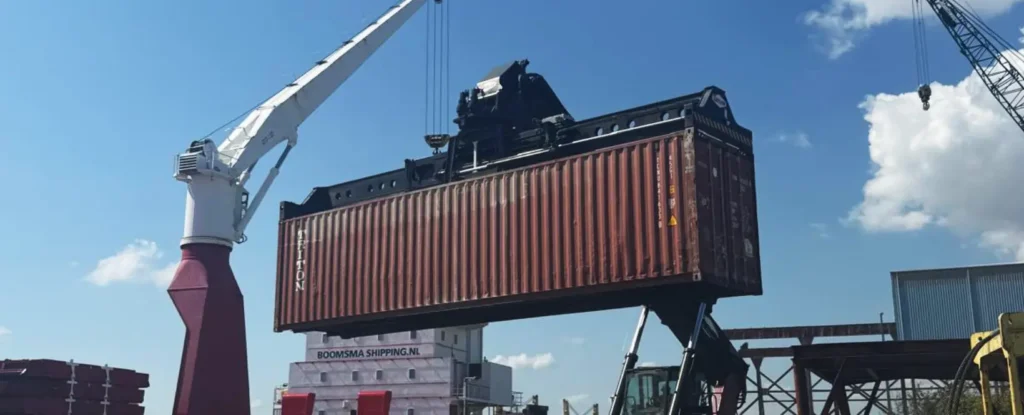
In today’s logistical landscape, choosing between a full container and a shared one is not just a matter of volume; it is a strategic decision that impacts cash flow, product integrity, and final customer satisfaction. The Technical “Tipping Point”: When is FCL cheaper even with empty space? While the original baseline often cites a range of 13 to 15 cubic meters (CBM), freight fluctuations in 2024 and 2025 suggest that this break-even point can be even lower. The 10-12 CBM Rule: On high-demand routes (such as Asia-Latin America), if your cargo exceeds 10-12 CBM, it is imperative to quote a 20-foot container (FCL). Flat Rate vs. W/M: FCL is paid per container unit, whereas LCL is billed based on Weight or Measure (W/M). In LCL, if your goods are very heavy but take up little space (or vice versa), costs can skyrocket, often exceeding the price of a full container where weight does not penalize the ocean freight cost as heavily. Hidden Costs: What you don’t see in the initial quote One of the biggest mistakes is comparing only the “ocean freight.” The true cost is revealed at the port of destination. CFS (Container Freight Station) Charges: This fee is exclusive to LCL. It includes handling, opening the container, and cargo segregation. In many ports, these costs are fixed per CBM and can be extremely high, causing a 14 CBM LCL shipment to end up costing more than a 20-foot container where these deconsolidation fees do not apply. Customs Delay Risks: In an LCL container, if another importer’s goods have documentation issues or are physically inspected, the entire container is held up. This can generate unforeseen storage expenses for you—a risk that disappears with FCL, as you have total control over your own documentation. Master Strategy: Buyer’s Consolidation If you have multiple suppliers in the same region but none of them fill a container, do not limit yourself to traditional LCL. How it works: Instead of each supplier sending a separate LCL shipment (paying multiple fixed documentation and handling fees), you can request a consolidation service. Your suppliers send the cargo to a central warehouse (such as NCVEN in Houston), where a single FCL container is assembled specifically for you. Advantages: You save up to 30% in destination port costs, reduce the risk of damage due to less handling, and simplify your customs process into a single import entry. Security and “Touch Points” Cargo integrity is an indirect cost. LCL: Your merchandise is handled at least five times more than in FCL (loading at the factory, unloading at the origin warehouse, loading into the container, unloading at destination, loading onto the final truck). Every “touch” is an opportunity for damage. FCL: The container is sealed at the origin and only opened at your facilities. This drastically reduces insurance premiums and the risk of shrinkage or loss. The Incoterms Factor: Who is in control? The choice between FCL and LCL also depends on who controls the logistics: If you buy under EXW or FOB terms, you decide the method. This is where expert advice from a partner like NCVEN is vital to compare the “door-to-door” cost. If the supplier insists on shipping LCL under CIF or CFR terms, be cautious: often the freight appears “free” or very cheap, but the deconsolidation charges at destination are usually inflated to compensate for the freight cost at origin. Optimizing costs is not simply about searching for the lowest rate, but about understanding the total cost structure. A detailed analysis of local charges, your shipping frequency, and the nature of your products can save you thousands of dollars annually.
Air Freight

Air Freight Logistics in the United States 2025: The Definitive Guide for Businesses and Operators

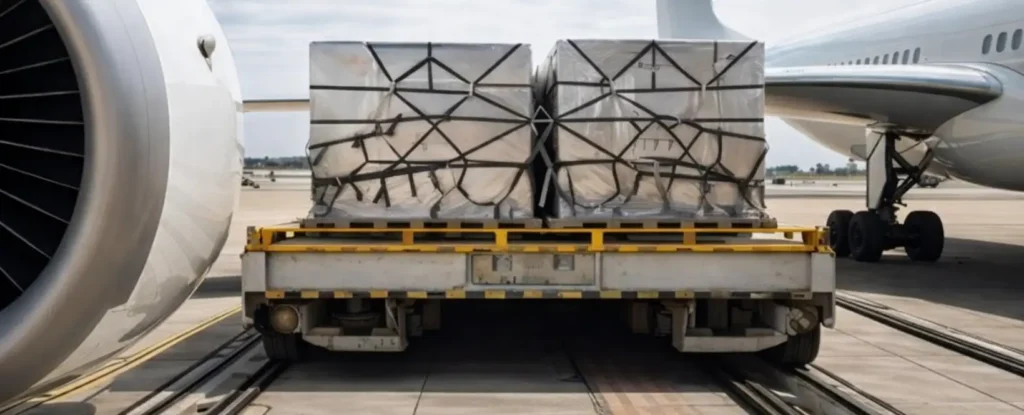
Air freight logistics has become a strategic pillar of global trade and the United States economy. With the rise of e-commerce, changes in global supply chains, and the integration of new technologies, understanding this sector is essential for any company managing urgent shipments, high-value goods, or complex logistics operations. The Air Freight Market in the U.S. Is Growing The air cargo sector in the United States is experiencing significant expansion. The air freight transportation market is estimated to reach approximately USD 49.85 billion in 2025, with projections to continue growing to USD 61.63 billion by 2030. This represents sustained market growth, driven by demand for efficient services supporting e-commerce and specialized industries such as pharmaceuticals and technology.Source: Mordor Intelligence In addition, another analysis projects that market demand could nearly increase by 2.5 times between 2025 and 2035, with a compound annual growth rate of nearly 9.8%, led by domestic services and integrated logistics solutions.Source: Fact.MR Key Factors Driving Air Freight Logistics 1. E-commerce and Urgent Deliveries The growth of e-commerce has been one of the main drivers of air freight demand. Consumers increasingly expect faster deliveries, forcing logistics operators to optimize networks, transit times, and tracking technologies. 2. Changes in Trade Routes and Policies Factors such as the removal of tax exemptions for low-value goods shipped from China have altered demand for cargo flights to the United States, affecting transportation flows and costs between Asia and North America.Source: The Wall Street Journal 3. Technological Integration Logistics companies are adopting automation, artificial intelligence for route optimization and demand forecasting, and IoT technologies to improve real-time shipment visibility while reducing errors and delays.Source: ublco.net 4. UPS Strategic Hub and Supply Chain Impact UPS Worldport in Louisville, one of the highest-capacity logistics hubs in the world, processes millions of packages daily, connecting domestic and international routes. Its scale and advanced technologies position it as a critical node in the global logistics network.Source: Reuters Key Industry Trends 1. Automation and Digital Transformation From robotics in cargo terminals to advanced digital tracking systems, air freight operations are adopting solutions that improve efficiency and reduce errors in cargo handling. 2. Sustainability and Regulatory Pressure Air transportation remains more emissions-intensive than other modes of transport, driving the industry to innovate in sustainable aviation fuels and adopt better operational practices. 3. Multimodal Logistics Networks The integration of air transport with ground and maritime routes is becoming increasingly common to optimize costs and delivery times, especially for last-mile delivery and international shipments. What Does This Mean for Your Business? Understanding the importance of air freight logistics not only for urgent deliveries, but as part of a broader logistics strategy that can improve delivery times and customer satisfaction. Optimizing your supply chain with real-time tracking tools and technology-driven solutions to increase shipment visibility. Selecting reliable and scalable logistics partners capable of adapting to demand growth and market fluctuations, particularly in fast-moving sectors such as e-commerce. Contac us now! Click here
Oversized Cargo

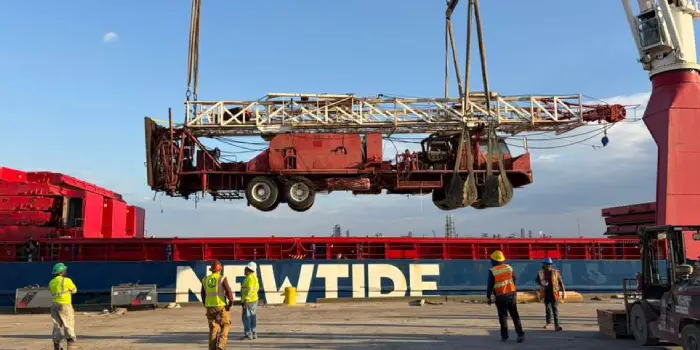
The World of Oversized Cargo Logistics: Precision and Engineering in Project Cargo

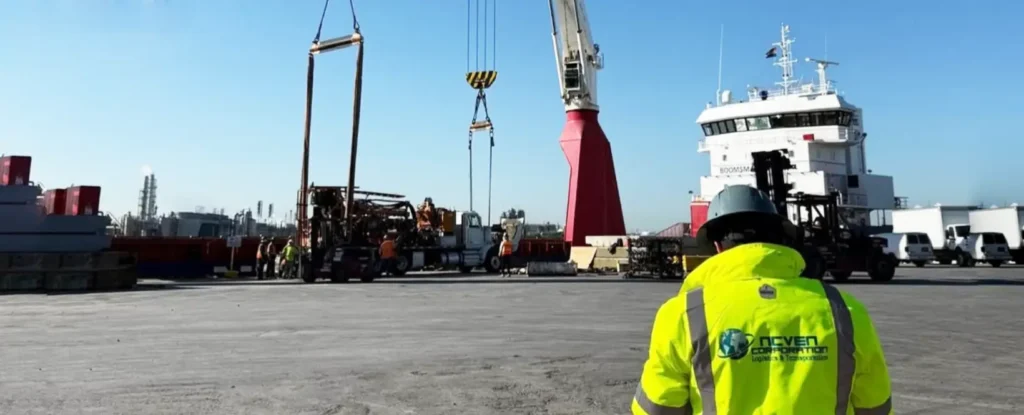
The world of global trade and infrastructure often demands the movement of monumental pieces: turbines, transformers, heavy machinery, or modular structures. This task, far from being a simple shipment, becomes a Logistics Project that requires precision, engineering, and unparalleled expertise. At NCVEN, we understand that oversized cargo is not just large freight; it is the heart of a vital investment project. For this reason, we have developed specialized solutions to meet the challenges that these unique shipments present. What is Oversized Cargo and Why is it a Unique Challenge? Technical Definition and Classification of Project Cargo Oversized cargo, also known as Project Cargo or Heavy Lift, refers to any merchandise that exceeds the standard maximum dimensions or weight limits established by transportation regulations (land, air, or sea). Weight and Volume Criteria (Standard vs. Special Dimensions) While a standard container has strict limitations (generally 40 feet in length), project cargo ignores these limits. This necessitates the use of specialized equipment and vehicles, and often requires obtaining unique road permits and exhaustive route surveys to avoid obstacles. Common Examples of Oversized Cargo (Machinery, Turbines, Structures) Energy Sector: Generators, wind turbine blades, high-voltage transformers. Construction Sector: Large steel beams, bridge prefabricated elements, drilling equipment. Mining Sector: Excavator shovels, disassembled haul trucks, industrial mills. NCVEN’s Multimodal Expertise in Special Transportation Moving an oversized piece involves a perfect orchestration of multiple modes of transport. NCVEN masters the integration of services to ensure a smooth transition at every stage of the project. Road Transport: The Power of Specialized Trailers The land leg is the most critical, as it involves dealing with existing infrastructure (roads, bridges, wiring). Use of Lowboy and Modular (SPMT) Platforms We utilize lowboy trailers to keep the overall cargo height to a minimum. For extremely heavy loads, we rely on Self-Propelled Modular Transporters (SPMT), capable of distributing hundreds of tons with robotic precision. Critical Route Planning (Permits, Bridge, and Tunnel Studies) Before moving an inch, our engineering team conducts detailed route surveys, including calculating bridge load capacity, the temporary raising of electrical wiring, and coordination with authorities to obtain mandatory road permits. Heavy Lift Maritime Solutions for Extra Heavy Cargo When the project crosses oceans, vessels with special capabilities are required. Coordination of RO-RO and Break Bulk Vessels We coordinate the use of Roll-On/Roll-Off (RO-RO) vessels or the shipment of loose cargo (Break Bulk) for merchandise that does not fit into standard containers. Selecting the right vessel is vital to minimizing risks and costs. Safe and Certified Lifting Operations Our expertise includes supervising lifting operations at the port, ensuring that transshipment is carried out under strict safety standards and by certified personnel, using high-capacity cranes. Air Transport for Projects with Rigorous Deadlines For critical project components with inflexible deadlines, air transport is the only option. Charter Aircraft Rental for Critical Components NCVEN offers air charter solutions (rental of an entire plane) to transport high-volume or high-value components, guaranteeing maximum speed and control in the supply chain. The 5 Pillars of NCVEN’s Project Planning Our success is based on a rigorous methodology that addresses every detail of the logistics project: Risk Assessment and Feasibility Study: We analyze the origin, destination, and nature of the cargo to identify potential obstacles and propose the safest and most efficient solution from the start. Route Engineering and Official Permit Procurement: We design the route step by step and manage all documentation with the relevant authorities to ensure the legality and fluidity of transit. Customs Documentation Management and Specialized Insurance: Special cargo requires special customs handling. We ensure all documentation is in order and the cargo is protected with All Risk insurance policies appropriate to its value and complexity. On-Site Supervision and Safety Control (HSE): Our specialized personnel supervise loading, unloading, and transit operations on site, ensuring compliance with Health, Safety, and Environment (HSE) protocols. Tracking Technology and 24/7 Communication: We maintain constant communication with the client and use advanced technology for satellite tracking, providing total real-time visibility of the project. Why Choose NCVEN for Your Next Logistics Project? In the transport of oversized cargo, improvisation is an unacceptable risk. Choosing NCVEN means partnering with a proven track record of excellence. Our Success History and Relevant Case Studies We have moved vital components for the infrastructure, mining, and energy sectors throughout the region, meeting the most demanding deadlines and overcoming complex logistical hurdles. Expert Team and Personalized Consulting Our team is not just logistics personnel; it is multidisciplinary, with engineers, customs managers, and safety specialists who become an extension of your own project.

Scroll to Top