
Specialized and Overweight/Oversize Cargo in Houston: The Ultimate Guide for Oil & Gas and Heavy Machinery
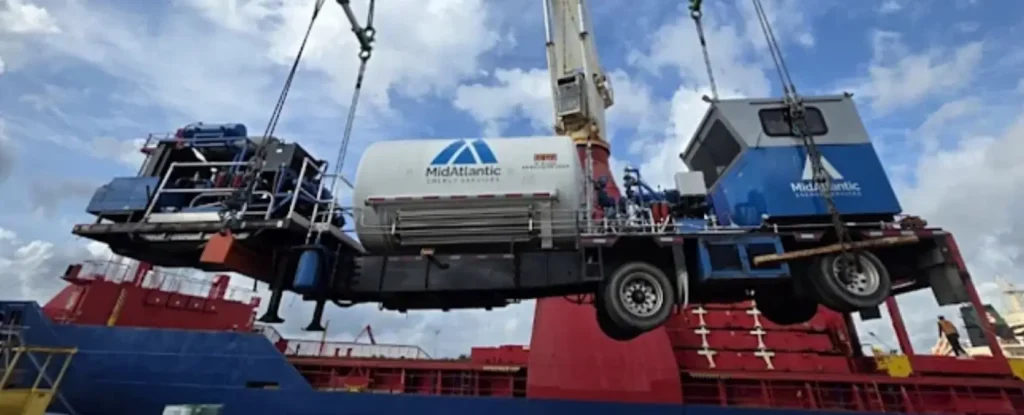
Houston is globally recognized as the energy capital of the world and a premier industrial logistics hub in North America. From refinery components and offshore drilling rigs to large-scale construction equipment, the volume of heavy cargo originating from the Houston metropolitan area far exceeds the limits of standard dry vans and conventional flatbeds.
Transporting specialized, overweight, and oversize (OW/OS) freight out of Houston requires far more than horsepower—it demands meticulous route planning, strict regulatory compliance with the Texas Department of Transportation (TxDOT), and specialized multi-axle equipment.
1. What Qualifies as Oversize and Heavy Haul in Texas?
In the State of Texas, standard legal limits for highway transport without special permits are generally defined as follows:
Legal Width: 8.5 feet (102 inches / 2.59 meters)
Legal Height: 14 feet (4.27 meters)
Legal Length: Typically 59 to 65 feet, depending on tractor-trailer combination
Gross Vehicle Weight (GVW): 80,000 lbs (approx. 36.2 metric tons) properly distributed across axles
Any shipment exceeding these thresholds automatically triggers an oversize (OS) or heavy haul (OW) classification. This requires official TxDOT route permits, mandatory warning signage, safety flags, and often private or law enforcement escort vehicles.
2. Key Industries Driving Heavy Transport in the Houston Region
The dynamic industrial ecosystem of the Texas Gulf Coast generates continuous demand for specialized heavy transport across two primary sectors:
Oil & Gas, Petrochemical, and Energy Services
Refinery and Drilling Equipment: Massive heat exchangers, pressure vessels, separator units, and distillation columns.
Heavy Tubular Products: High-volume shipments of large-diameter steel pipe destined for energy infrastructure projects across Texas, Louisiana, and the Permian Basin.
Heavy Machinery and Construction Equipment
Earthmoving and Mining Gear: High-tonnage excavators, wheel loaders, and mobile cranes entering through Port Houston as ocean freight imports.
Industrial & Electrical Infrastructure: High-voltage power transformers, wind turbine components, and pre-assembled structural steel modules.
3. Essential Equipment Used for Specialized Cargo
Matching the right trailer configuration to the load’s dimensions and weight distribution is critical for safety and road preservation:
Step Decks (Drop Decks): Ideal for freight that exceeds standard flatbed height limits, allowing operators to gain crucial vertical clearance under overpasses.
Lowboys and Removable Gooseneck (RGN) Trailers: The industry standard for heavy wheeled or tracked machinery. The detachable front gooseneck lowers the deck to ground level, enabling safe drive-on loading without hazardous ramps.
Multi-Axle Configurations and Heavy Haul Trailers: Specialized multi-axle combinations (such as 9-axle, 13-axle, or dual-lane transporters) designed to spread extreme gross weight across multiple axle groups to comply with Texas bridge laws and pavement formulas.
4. Operational and Regulatory Challenges in the Greater Houston Area
Coordinating a heavy haul project out of Houston’s primary industrial zones—such as Pasadena, Deer Park, Baytown, and The Woodlands—presents unique logistical considerations:
TxDOT Permit Approval & Curfews: Permits must specify approved routing. Heavy haul movements in metropolitan Harris County often face time-of-day curfews to avoid morning and evening rush-hour congestion.
Pilot Cars and Police Escorts: Depending on load dimensions (especially width over 14 feet or height over 16 feet), one or two certified civilian escort vehicles (pilot cars)—and occasionally Texas Department of Public Safety (DPS) or local police escorts—are mandatory to clear intersections and navigate tight turning radiuses.
Bucket Trucks & Utility Clearance: For extreme height loads (superloads), transport teams must coordinate with electric power and telecommunications utilities to temporarily lift overhead lines along the designated escape route out of the city.
5. Frequently Asked Questions (FAQ)
Routine oversize/overweight permits from TxDOT are typically issued within 24 to 48 hours. However, Superloads (loads exceeding extreme weight or dimensional thresholds) require specialized engineering route surveys and structural bridge analysis, which can take several weeks.
Yes. Patios and specialized transloading yards surrounding the Barbours Cut and Bayport Container Terminals are equipped with heavy-lift cranes and riggers to discharge breakbulk and project cargo straight from ocean vessels onto heavy haul trailers.
The primary arterial routes include Interstate 10 (I-10) heading east toward Louisiana and west toward San Antonio/El Paso; Interstate 45 (I-45) northbound toward Dallas/Fort Worth; and Interstate 69 / U.S. 59 connecting to North Texas and cross-border trade corridors with Mexico.
Need to plan a specialized heavy haul route out of Houston? Partnering with an experienced logistics provider equipped with route-survey engineering, TxDOT permit management, and an updated multi-axle fleet ensures safe, compliant, and on-time delivery.