Permisos y Normativas de Carga Pesada (Heavy Haul Permitting) en Texas y Houston
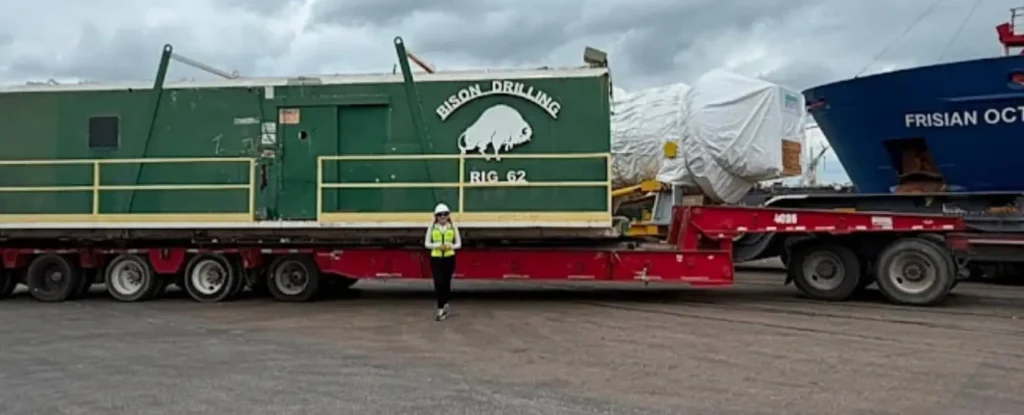
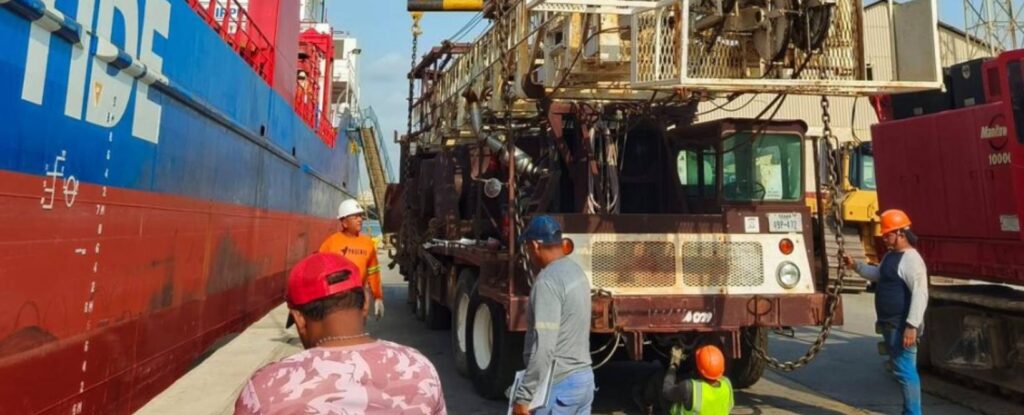
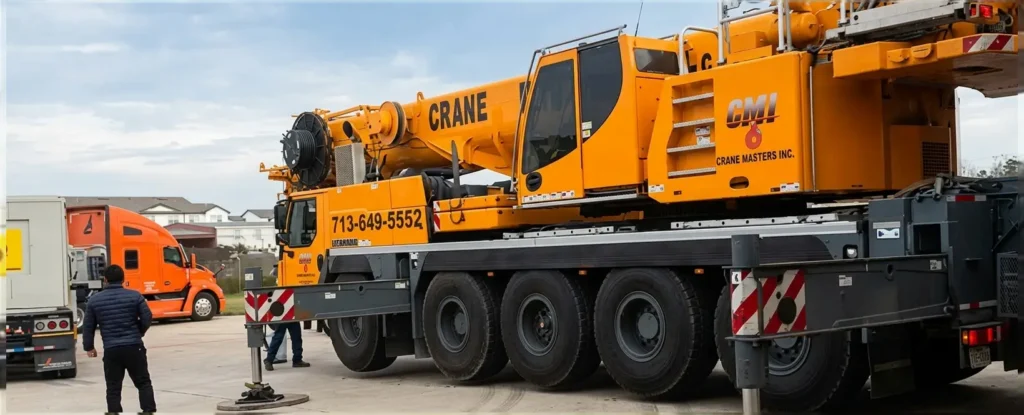
Navigating Heavy Lift Regulations and Permitting in Houston and Texas Mover heavy machinery, petrochemical pressure vessels, and super-heavy industrial components across Greater Houston and Texas requires far more than mechanical power and heavy-duty transport assets. It demands absolute mastery of a complex, multi-layered regulatory ecosystem. In the state of Texas, transporting oversized and overweight (OS/OW) cargo is governed by strict statutory frameworks designed to protect public infrastructure, maintain highway safety, and prevent gridlock around key logistics corridors like the Port of Houston. A single administrative oversight in securing a Heavy Haul Permitting Texas authorization, an inaccurate route survey, or a missed police escort window can derail multi-million-dollar industrial schedules. This technical guide outlines the legal mandates, TxDOT rules, Port of Houston protocols, and escort requirements necessary to execute fully compliant heavy lift transport across Texas. 1. Regulatory Authorities Governing Oversized Cargo in Texas Heavy freight transport in Texas falls under the jurisdiction of several federal, state, county, and municipal regulatory bodies. Understanding who holds authority over each leg of a haul is critical to seamless execution. Texas Department of Motor Vehicles (TxDMV) – Motor Carrier Division: Issues state-level OS/OW permits, evaluates axle-weight configurations, and enforces bridge clearance compliance. Texas Department of Transportation (TxDOT): Maintains highways and bridges, conducts structural engineering reviews for superheavy loads, and oversees road maintenance projects along permitted routes. Harris County & Local Municipalities: Enforces local ordinance compliance for city streets in Houston, Pasadena, Baytown, and Deer Park, requiring separate municipal permits for non-interstate travel. Port of Houston Authority (PHA): Regulates cargo movement, dock weight limits, and gate entry protocols within breakbulk terminals such as Turning Basin and Barbours Cut. 2. TxDOT Permit Classifications for Oversized and Overweight Cargo Texas classifies heavy transport loads according to overall physical dimensions (width, height, length) and total gross vehicle weight (GVW). Obtaining the correct permit classification ensures legal transit across state-maintained roadways. General OS/OW Single-Trip Permits Standard single-trip permits cover loads exceeding routine legal limits: Legal Width Limit: 8 feet, 6 inches. Legal Height Limit: 13 feet, 6 inches. Legal Length Limit: 65 feet for combination vehicles. Legal Gross Vehicle Weight: 80,000 lbs. When cargo exceeds these parameters, a single-trip permit establishes a designated route tailored to the vehicle’s physical envelope. Superheavy Permits (Loads Exceeding 254,000 lbs) Cargos exceeding 254,000 lbs total gross weight—or axle group weights exceeding structural baselines—require a Superheavy Permit. This process involves: Bridge Structural Analysis: TxDOT bridge engineers model the load trajectory across every bridge structure along the proposed route. Pavement Analysis: Evaluation of ground contact pressure to prevent pavement deflection or structural failure. Timeline: Processing times for superheavy permits range from 10 to 30 business days, making early engineering submission vital. 3. The Necessity of Professional Route Surveys A Route Survey is a mandatory physical and topographical assessment of the designated transport path conducted prior to load mobilization. Moving high-cube or superheavy loads through urban Houston requires verifying every vertical and lateral clearance. CRITICAL ROUTE SURVEY STEPS 1. Physical Drive-Through with Calibrated Measuring Poles.2. Bridge & Overpass Vertical Clearance Verification. 3. Overhead Utility Line & Traffic Signal Height Mapping.4. Turning Radius & Intersection Geometry Checks.5. Construction Zone & Road Closure Identification. Key Elements Verified During a Route Survey: Bridge Heights: Verifying clearance against TxDOT bridge inventory databases, accounting for recent road repaving that may have reduced vertical clearance. Overhead Utility Lines: Identifying low-hanging electrical, fiber optic, and cable television lines that require bucket truck coordination and utility line lifts. Turning Radii: Assessing tight urban intersections where multi-axle trailers or SPMTs require counter-steering or temporary removal of signal poles and street signage. 4. Port of Houston Heavy Lift Guidelines The Port of Houston is one of the busiest breakbulk and project cargo hubs in North America. Transporting heavy equipment out of port facilities requires adhering to strict operational mandates: Dock Capacity and Berth Load Limits: Heavy cargo placed on dock aprons must undergo point-load calculations to avoid exceeding terminal structural capacity. TWIC Credentialing: All truck drivers, crane operators, and rigging personnel entering Port of Houston property must possess active Transportation Worker Identification Credentials (TWIC) issued by the TSA. Direct Discharge Logistics: Offloading heavy vessels directly from ship to barge or specialized heavy-haul trailer requires pre-approved staging plans coordinated with harbor pilots and terminal operators. 5. Escort Vehicles and Law Enforcement Protocols Safety escort requirements in Texas are determined by the physical envelope of the load and the specific roadways traveled. Load Parameter / Parámetro de Carga Escort Requirement (Texas) / Requisito de Escolta Police Escort Protocol / Protocolo Policial (Harris County) Width > 14 feet(Ancho > 14 pies) Minimum 1 Front Escort Vehicle(Mínimo 1 Vehículo Escolta Delantero) Mandatory Off-Duty Law Enforcement Escort in Urban Areas.(Escolta policial obligatoria en áreas urbanas.) Width > 16 feet(Ancho > 16 pies) Front & Rear Escort Vehicles(Escoltas Delantera y Trasera) Two Law Enforcement Escort Squad Cars Required.(Se requieren al menos 2 patrullas policiales.) Height > 17 feet, 6 inches(Alto > 17 pies, 6 pulg.) Escort Vehicle with Height Pole Ahead of Load(Vehículo Escolta con Varilla de Altura) Utility Bucket Truck Crew & Police Escort Required.(Cuadrilla de camión canasta para cables + Policía.) Length > 110 feet(Largo > 110 pies) Rear Escort Vehicle(Vehículo Escolta Trasero) Required for Tight Turning Intersections.(Obligatorio para giros en intersecciones reducidas.) Gross Weight > 200,000 lbs(Peso Bruto > 200,000 lbs) Specific Route Clearance Required(Ruta Específica Aprobada) Required for Counter-Flow Traffic Control & Intersections.(Control de tráfico en contraflujo e intersecciones.) Role of Certified Escort Vehicle Operators (CEVO) Pilot car drivers maintain continuous radio communication with the heavy haul truck driver, alerting them to upcoming road hazards, narrow lanes, approaching traffic, and overhead obstructions. 6. Financial and Operational Consequences of Non-Compliance Operating heavy transport equipment without valid TxDOT permits or violating route restrictions carries severe consequences: Massive Financial Fines: Penalties for unpermitted weight or route deviations can reach tens of thousands of dollars per violation. Immediate Shutdowns and Load Invalidation: TxDOT inspectors and local law enforcement can impound vehicles on the spot, halting transit until new engineering studies and