
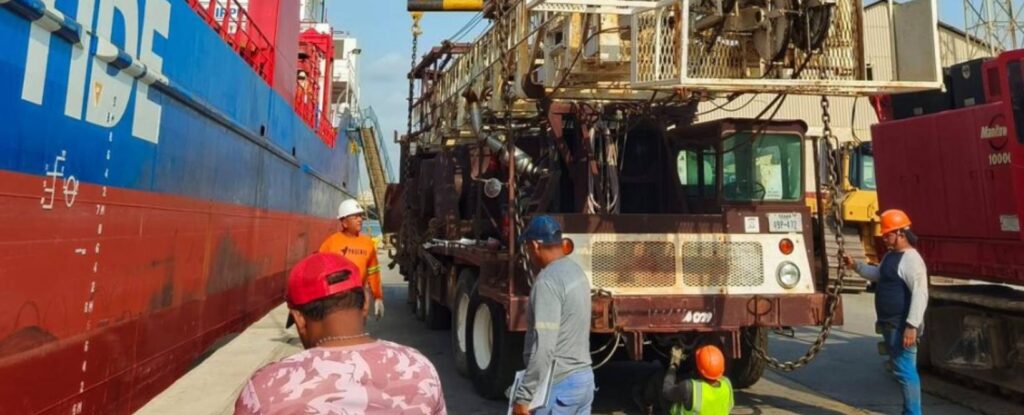
Welcome to the fascinating world of oversized cargo, also known as project cargo. It is not just about maritime transport; it is a complex combination of planning, engineering, and execution that enables the global movement of the world’s heaviest and largest machinery. From colossal wind turbine components to entire factory modules, project cargo is the often-overlooked key element of infrastructure development and industrial expansion worldwide.
The Art of Moving Heavy Machinery Globally
Transporting heavy machinery and special-sized equipment requires a unique blend of expertise, resources, and innovation. It is a sector where every project represents a tailor-made challenge, demanding meticulous attention to detail and a deep understanding of logistics, engineering, and international regulations.
What is Project Cargo?
Project cargo transportation refers to the transport of large, heavy, high-value, or critical equipment. These items are typically manufactured specifically for a particular project, such as power plants, refineries, or infrastructure projects, and cannot be broken down into smaller standard shipping units.
Key Characteristics of Project Cargo:
Out of Gauge (OOG): Exceeds standard dimensions of width, height, or length.
Heavy Lift: Exceeds standard weight limits for conventional cargo.
High Value: Often represents a significant capital investment.
Critical Timelines: Delays can have massive financial repercussions for the project as a whole.
Complex Logistics: Requires specialized handling, routing, and permits.
Common Types of Project Cargo:
Wind turbine blades, nacelles, and towers
Power generation equipment (turbines, generators, transformers)
Oil and gas refinery components
Mining equipment (excavators, crushers)
Infrastructure materials (bridge spans, tunnel boring machines)
Manufacturing plant modules
The Challenges of Oversized Cargo Logistics
Moving an object that weighs hundreds of tons and measures tens of meters is far more complex than booking a standard container. It involves overcoming a myriad of logistical, engineering, and regulatory obstacles.
1. Meticulous Planning and Engineering
Every successful project cargo move begins with comprehensive planning. This phase is critical and can often last for months, involving multidisciplinary teams.
Feasibility Studies: Assessing the viability of moving the cargo from its origin to its destination.
Route Surveys: A detailed examination of potential road, rail, river, and sea routes to identify obstacles (bridges, tunnels, power lines, road conditions).
Engineering Calculations: Determining optimal lifting points, lashing plans, weight distribution, and structural integrity for transport.
Equipment Selection: Choosing the appropriate specialized vehicles, vessels, cranes, and lifting systems.
2. Overcoming Logistical and Infrastructure Constraints
Infrastructure usually dictates potential routes and methods. It may be necessary to temporarily close or reinforce roads, strengthen bridges, and raise overhead power lines.
Specialized Transport: Utilizing Self-Propelled Modular Transporters (SPMTs), heavy-lift vessels, barges, and railway cars.
Port Logistics: Accessing ports equipped with heavy-lift cranes and ample storage space.
Intermodal Coordination: Seamless transfer between different modes of transport (e.g., from ship to barge to road).
3. Regulatory Compliance and Permits
Operating across international borders—and even within a single country—requires a deep understanding of diverse regulations.
Permits: Obtaining oversized and overweight permits from numerous local, regional, and national authorities.
Customs and Taxes: Navigating the complex world of import/export regulations, tariffs, and customs paperwork.
Safety Standards: Complying with strict international and local safety protocols to protect personnel, the cargo, and the public.
Key Phases of a Project Cargo Operation
The process of handling oversized equipment typically follows several distinct phases, each requiring precision and expertise.
Phase 1: Pre-shipment Assessment and Route Planning This phase involves intense collaboration with the client to understand the specific characteristics of the cargo and the overall project goals. Detailed surveys are conducted to map out the entire route.
Phase 2: Mobilization and Equipment Loading Specialized equipment is moved to the origin site. Highly trained teams meticulously load the cargo onto transport vehicles, ensuring proper securing and weight distribution. This often involves precision lifting operations using multiple cranes or jacking systems.
Phase 3: Transit Whether by sea, road, rail, or river, the cargo begins its journey. During transit, constant monitoring and communication are vital. For road transport, guide vehicles and escorts are usually mandatory to ensure public safety and navigate obstacles.
Phase 4: Unloading and Final Delivery Upon arrival at the destination port or storage area, the cargo is carefully unloaded and transferred to final delivery vehicles for the “last mile” journey to the project site. This phase can be just as complex as the initial loading, requiring similar precision and specialized equipment.
The Specialized Team Behind the Move
The success of project cargo transportation relies not only on machinery but also on people. A multidisciplinary team of experts coordinates every aspect.
Roles Within a Project Cargo Team:
Project Managers: Oversee the entire operation, coordinating all stakeholders.
Logistics Engineers: Design transport solutions, calculate loads, and plan routes.
Marine Surveyors: Assess vessel suitability and cargo securing for sea voyages.
Heavy Lift Specialists: Operate cranes and specialized lifting systems.
Permit Specialists: Navigate bureaucratic hurdles to obtain necessary approvals.
Health, Safety, and Environment (HSE) Officers: Ensure compliance with safety standards throughout the project.
Innovations and Future Trends
The project cargo transportation sector is constantly evolving, driven by technological advancements and the demand for more sustainable solutions.
Technological Advancements:
Advanced Route Mapping Software: Utilizes GIS and AI to predict challenges and optimize routes.
Real-Time Tracking and Monitoring: GPS and IoT devices provide precise information on cargo location and status.
Simulation Software: Allows previewing of complex lifting and transport operations to minimize risks.
Remote-Controlled SPMTs: Enhanced safety and precision in difficult terrains.
Focus on Sustainability:
As industries worldwide strive for more sustainable operations, project cargo transportation is adapting:
Eco-Friendly Fuel Options: Exploring alternative fuels for vessels and heavy-lift equipment.
Route Optimization: Reducing fuel consumption and emissions through more efficient planning.
Collaboration for Efficiency: Working with clients to optimize supply chains and minimize environmental impact.
The international transport of heavy machinery, or project cargo, is an example of human ingenuity and collaboration. It is a sector where immense challenges are met with innovative solutions, driving critical infrastructure projects and industrial growth across continents. From meticulous planning to the precise placement of a colossal component, project cargo specialists are the unsung architects of the modern global economy, ensuring that no piece of equipment is too large or complex to reach its final destination.